
Moving heavy materials between different working levels is a regular requirement in warehouses, manufacturing facilities, workshops, logistics centres, and other industrial environments. When these tasks are performed manually, they can take additional time and require considerable physical effort. The right lifting equipment can make material positioning more organized while helping businesses create a more practical working environment.
A Scissors Lift Table Singapore solution provides controlled vertical movement for goods, machinery, components, and other suitable loads. With a platform supported by a scissor mechanism, the equipment can raise materials to a required working height and lower them when necessary. Depending on the application, businesses can select fixed, mobile, hydraulic, or electric configurations.
For operations where materials need to be repeatedly raised, lowered, positioned, or transferred, a suitable lift table can become an important part of the material-handling process. The right equipment can also be selected according to load capacity, platform dimensions, lifting height, available workspace, and operating requirements.
What Is a Scissor Lift Table?
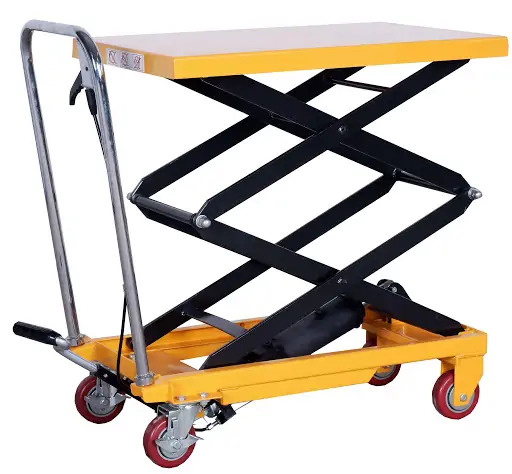
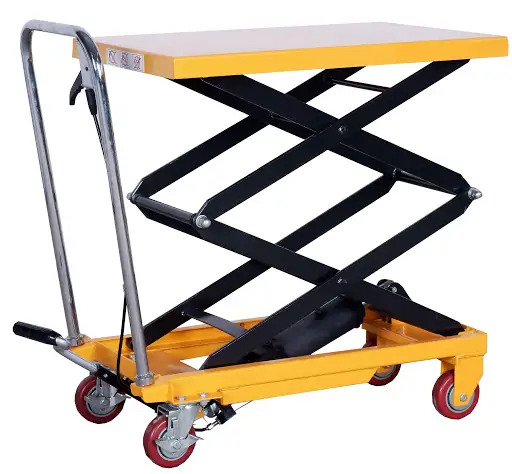
A scissor lift table is a platform lifting system designed to move loads vertically. Its supporting arms form a scissor-like structure that extends to raise the platform and retracts to lower it.
Unlike equipment designed primarily for transporting loads horizontally, scissor lift tables are intended for controlled vertical movement. They can be used in production areas, warehouses, workshops, loading zones, and other locations where goods need to be positioned at different heights.
The platform size and lifting capacity can vary depending on the design. Some models are intended for compact applications, while larger systems can accommodate heavier or bulkier materials. Businesses should therefore assess the specific requirements of their operation before selecting equipment.
A table scissor lift can be used as an individual lifting station or incorporated into a wider material-handling process. For example, materials can be raised to a suitable height for assembly, packing, inspection, maintenance, or loading activities.
Common Applications of Lift Tables
Different industries have different lifting requirements, but the basic purpose of lift tables remains the same to provide controlled vertical positioning for suitable loads.
Warehousing and Distribution
Warehouses regularly move cartons, pallets, components, containers, and other materials. A lifting platform can help position goods at an appropriate height for packing, sorting, inspection, and handling.
A mobile scissor lift table can be particularly useful when lifting requirements change between different areas of a warehouse. Instead of keeping the equipment permanently in one position, a suitable mobile unit can be moved according to operational needs.
Manufacturing and Production
Manufacturing environments often involve repetitive handling of raw materials, components, tools, and finished products. A scissor lifting table can help position these items at a practical working level.
For example, a platform may be positioned alongside a production station so that components can be raised to the required height for assembly or inspection. This can help create a more organized workflow without requiring workers to repeatedly lift suitable materials manually.
Workshops and Maintenance Areas
Workshops may need to position machinery parts, equipment, tools, and other heavy objects during repair or maintenance activities. A suitable scissor table can provide a stable platform for raising and lowering appropriate loads.
The required platform dimensions and capacity will depend on the equipment being handled. Compact systems may be appropriate for smaller workshops, while larger applications may require a higher-capacity configuration.
Loading and Unloading
Loading areas can involve movement between vehicles, platforms, floors, and different working levels. A scissor lift table can support vertical positioning when the equipment is correctly selected and operated within its specified limits.
Platform dimensions, load capacity, lifting range, and installation requirements should all be considered when planning a lifting solution for a loading area.
Fixed and Mobile Scissor Lift Tables
The choice between fixed and mobile equipment depends largely on where and how the lifting system will be used.
Fixed scissor lift tables are installed at a designated location. They can be suitable for production lines, packaging stations, loading points, and other work areas where lifting activities are regularly performed in the same place.
A portable scissor lift table provides greater flexibility for applications where lifting requirements change between different work areas. Mobile equipment can be useful in workshops, warehouses, maintenance facilities, and other environments where a permanent installation may not be necessary.
When selecting a mobile system, businesses should consider the available floor space, movement requirements, load characteristics, and frequency of relocation. The equipment should be suitable for the surfaces and conditions in the intended operating environment.
Hydraulic and Electric Lifting Options
The lifting mechanism is another important consideration when selecting a suitable system. Two common configurations include hydraulic and electrically powered designs.
A hydraulic scissors lift table uses hydraulic pressure to operate the lifting mechanism. Hydraulic systems can be suitable for applications requiring controlled movement and appropriate load-handling capability.
An electric scissor lift table uses an electrically powered mechanism to raise and lower the platform. This type of equipment can be considered for workplaces where powered lifting is required and an appropriate electrical supply is available.
The choice between hydraulic and electric operation should be based on the intended application rather than simply the type of mechanism. Load requirements, lifting frequency, operating environment, available power, and workspace should all be assessed before selecting a system.
Businesses looking specifically for a scissor lift table electric configuration should also consider the operating controls and electrical requirements associated with the equipment.
Choosing a Small Lift Table for Limited Workspaces
Industrial lifting equipment does not always need to occupy a large area. Workshops, production stations, storage rooms, and other compact workplaces may have limited floor space and require a smaller solution.
A small lift table can provide vertical lifting functionality while taking up less space than a larger platform. It can be useful for applications involving smaller loads, moderate lifting heights, and restricted working areas.
A small scissor lift table should still be selected according to the actual load and operating requirements. Compact dimensions do not necessarily mean that the equipment is suitable for every application. Businesses should check the rated capacity, platform size, lifting range, and operating conditions before making a selection.
Where space is particularly restricted, the overall dimensions of the equipment should be considered alongside the available clearance around the platform.
Benefits of Using Scissor Lift Tables
A suitable scissor tables solution can support several aspects of material handling when correctly matched to the workplace.
Controlled Vertical Movement: The main function of a scissor lifting system is controlled movement between different heights. This can help businesses position materials where they are required during handling or production activities.
Improved Material Positioning: A lifting platform can bring suitable loads closer to the required working level. This can be useful for packing, assembly, inspection, maintenance, and other tasks involving repeated access to materials.
Flexible Equipment Options: Businesses can select from fixed, mobile, hydraulic, electric, compact, and customized configurations depending on their requirements.
Better Use of Workspace: A properly selected scissor table lift can be incorporated into an existing workflow without necessarily requiring a large dedicated material-handling area.
Support for Repetitive Handling Tasks: Where suitable loads need to be raised and lowered repeatedly, a lifting system can become part of a more structured material-handling process.
Important Factors When Selecting a Scissor Lift Table
Choosing lifting equipment should begin with a clear understanding of the application. Businesses should consider several factors before selecting a particular model.
Load Capacity: The equipment must be capable of handling the intended load within its specified operating limits. Businesses should consider the maximum expected load rather than relying only on the average weight of materials.
Lifting Height: The required working height should be established before selecting equipment. A system designed for low-level lifting may not be appropriate for applications requiring greater elevation.
Platform Size: The platform should provide enough usable space for the materials being handled. At the same time, its overall dimensions should be compatible with the available workspace.
Mobility: If the lifting equipment needs to be used in different locations, a mobile design may be more suitable. A permanent workstation may instead require a fixed installation.
Power Requirements: Hydraulic and electric systems have different operating requirements. Businesses should consider the available power source and the frequency with which the equipment will be used.
Working Environment: The surrounding environment can influence the type of equipment required. Floor conditions, available clearance, operating space, surrounding machinery, and indoor or outdoor use should all be assessed.
Safety Considerations for Scissor Lift Tables
Safe operation is an important part of using any lifting equipment. A scissor lift table should always be operated according to the manufacturer’s instructions and within its specified capacity and operating limits.
Before use, operators should check the equipment for visible damage, unusual movement, or other signs that may affect operation. Loads should be positioned appropriately on the platform rather than placed in a way that could create instability.
Overloading should be avoided, and operators should remain aware of people, equipment, and obstacles around the lifting area while the platform is moving.
Regular inspection and maintenance are also important. Hydraulic components, electrical systems, structural parts, controls, and other relevant components should be checked according to the manufacturer’s maintenance recommendations.
Businesses operating lifting equipment in Singapore should also take applicable workplace safety requirements into account when selecting, installing, and using the equipment.
Customized Scissor Lift Table Solutions
Standard lifting equipment may meet the needs of many businesses, but some applications require a more specific configuration. Differences in load dimensions, lifting height, platform requirements, available floor space, and workflow can make customization useful.
A customized scissor lift table can be developed around particular operational requirements. Depending on the application, considerations may include platform dimensions, lifting capacity, lifting height, operating arrangement, and installation requirements.
Customized solutions can be particularly relevant for manufacturing facilities and specialized industrial environments where the lifting equipment needs to work alongside existing machinery or production processes.
Scissors Lift provides lifting equipment and customized solutions for different material-handling applications, allowing businesses to consider equipment according to their operational requirements.
Selecting a Scissors Lift Table Singapore Solution
When looking for a Scissors Lift Table Singapore solution, businesses should first identify the specific lifting task. Understanding what needs to be lifted, how frequently it needs to be moved, and where the equipment will operate can make the selection process more straightforward.
For example, a warehouse with multiple handling locations may require a mobile platform, while a production line may benefit from a fixed installation. A compact workshop may require a small scissor lift table, whereas a heavier industrial application may require a larger platform with a suitable lifting capacity.
Businesses should also consider whether an electric or hydraulic configuration better matches the operating environment. Platform dimensions, lifting height, load capacity, available space, and movement requirements should be evaluated together rather than considered individually.
Scissors Lift offers lifting solutions for different industrial and commercial applications, including table lifts and customized lifting equipment. The appropriate configuration can be selected based on the requirements of the intended application.
Supporting Efficient Material Handling with Scissors Lift
Efficient lifting and positioning can make a significant difference in workplaces where materials are regularly moved between different heights. The right lift table can support a more organized workflow while providing controlled vertical movement for suitable loads.
From warehouses and manufacturing facilities to workshops and loading areas, scissor lift tables are available in different configurations to suit varying operational requirements. Fixed, mobile, hydraulic, electric, compact, and customized options allow businesses to consider equipment according to their individual workspace and material-handling needs.
Scissors Lift provides practical lifting solutions for businesses in Singapore, supporting a range of material-handling and vertical lifting requirements. If you are looking for the right equipment for your workplace, Contact Scissors Lift to discuss your requirements and find a suitable lifting solution for your application.
A well-selected Scissors Lift Table Singapore solution should match the load, lifting height, platform dimensions, operating environment, and frequency of use. Taking these factors into account can help businesses identify equipment that fits effectively into their existing workflow.