
Moving heavy materials from one level to another can become a time-consuming part of daily operations. In warehouses, factories, workshops, commercial buildings, and production facilities, employees may need to repeatedly raise equipment, goods, components, or other loads to different working heights. When the right lifting equipment is not available, these tasks can make a workflow less efficient and place unnecessary demands on manual handling.
A Hydraulic Platform Lift can provide a practical solution for controlled vertical movement. Designed to raise and lower suitable loads through hydraulic power, these systems can be adapted for different working environments and lifting requirements. Depending on the application, a platform can be used to move goods between levels, position materials at a convenient working height, or support specific production and handling processes.
Understanding how these systems work and what to consider before installation can help businesses select equipment that fits their actual needs rather than simply choosing a lift based on its appearance or lifting capacity.
What Is a Platform Lift?
A platform lift is a type of vertical lifting equipment that uses a flat surface to raise and lower goods, equipment, machinery, or, when specifically designed and approved for that purpose, personnel. The platform provides a stable area for the intended load while the lifting mechanism moves it between different heights.
A platform lift can be used in a variety of settings. For example, a warehouse may need to move materials from a lower storage area to a raised platform, while a manufacturing facility may use one to position components at a suitable height during production.
The term platform lift elevator is sometimes used when describing equipment that provides vertical movement between levels. However, different lifting systems are designed for different purposes, so the application and specifications should always be considered before selecting equipment.
The size, lifting height, load capacity, operating environment, and access requirements can all influence the design of a lift. This is particularly important for businesses handling bulky or heavy materials on a regular basis.
How Does a Hydraulic Platform Lift Work?
A Hydraulic Platform Lift operates using hydraulic pressure to create controlled lifting movement. The system typically includes hydraulic fluid, a pump, cylinders, pistons, seals, controls, and structural components that work together to raise and lower the platform.
When hydraulic fluid is directed into the cylinder under pressure, the piston moves. This movement is transferred to the lifting structure, which raises the platform. When the hydraulic system is controlled to lower the platform, the load descends in a controlled manner.
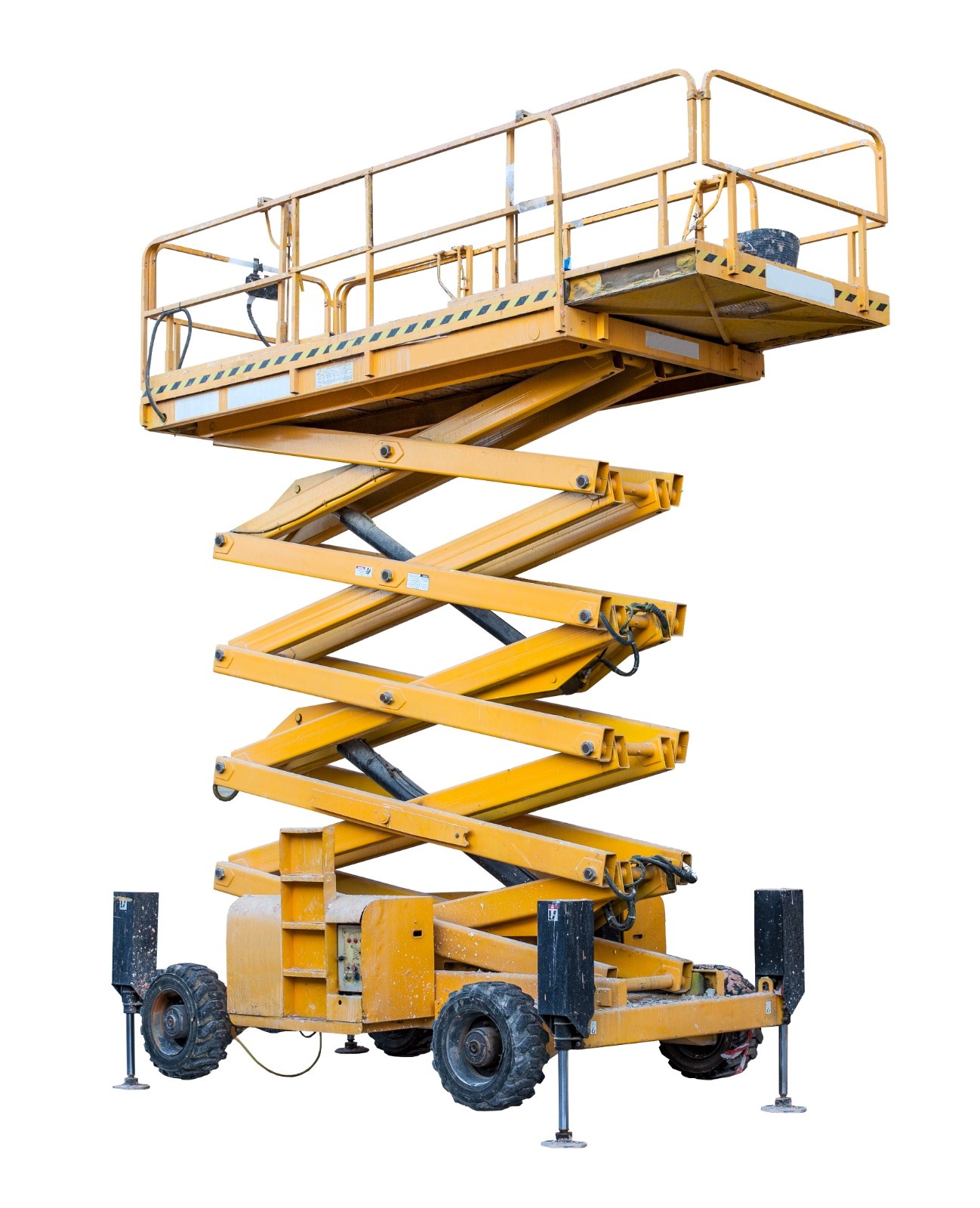
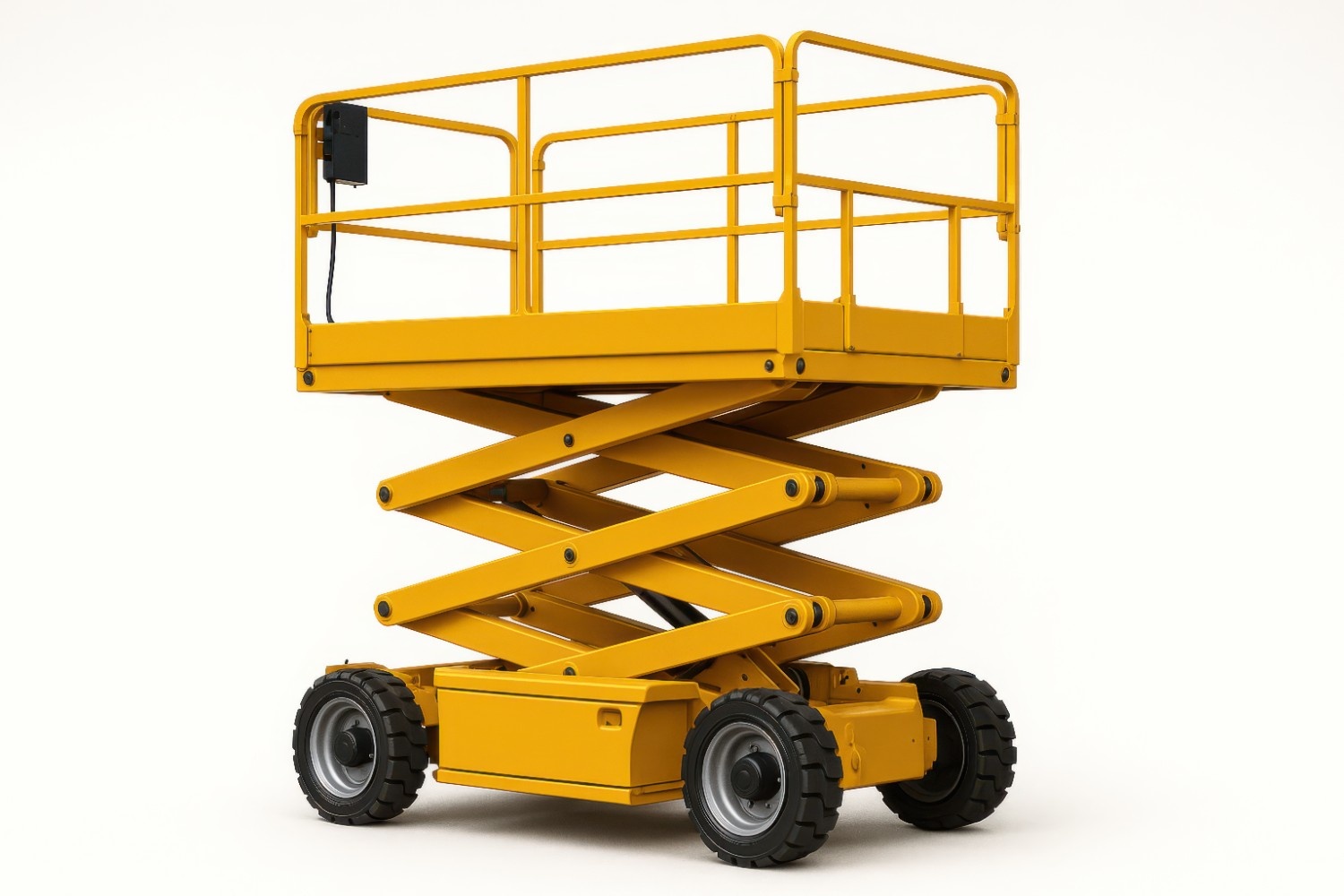
In a scissor-type design, the hydraulic cylinders work with crossed support arms. As these arms extend, the platform rises. As they retract, the platform lowers. This is why scissor lifting equipment has its distinctive appearance.
A hydraulic lift platform can be particularly useful where a stable lifting surface is needed for moving goods or equipment vertically. The hydraulic mechanism can be designed for different capacities and lifting heights, depending on the intended application.
The important point is that hydraulic lifting is not simply about moving a platform upwards. The complete system needs to be designed around the load, travel distance, operating conditions, and safety requirements of the workplace.
Where Are Platform Lifts Used?
Different workplaces have different reasons for requiring vertical lifting equipment. Some need to transfer goods between levels, while others need to position materials at a convenient working height.
Lifting platforms can be used in warehouses where boxes, pallets, components, and other goods need to be moved vertically. They can also be incorporated into manufacturing processes where materials need to reach a particular height for assembly or processing.
A lift platform can also support loading and unloading operations. Instead of relying entirely on manual lifting, suitable goods can be placed on the platform and raised to the required level.
Industrial workshops may use an industrial platform lift for machinery components, maintenance activities, or other material-handling requirements. Commercial facilities may have different needs, such as transferring stock or equipment between floors.
The most suitable equipment depends on what is being moved, how often it is moved, how high it needs to travel, and the amount of space available for installation.
Understanding Vertical Platform Lifts
A vertical platform lift is designed to move a platform directly upward and downward. This straightforward movement can make the equipment suitable for applications where materials need to travel between defined levels without requiring horizontal movement.
For businesses with limited floor space, vertical platform lifts can be considered where a direct vertical route is more practical. However, the equipment still requires sufficient room for the platform, lifting structure, access, and safe operation.
A hydraulic vertical platform lift combines vertical movement with a hydraulic lifting mechanism. This type of system can be configured according to the intended load and working environment.
For example, a warehouse may require a larger platform to accommodate materials, while a workshop may need a smaller lifting surface for individual components. These differences demonstrate why lifting equipment should be selected around the application rather than relying on a standard configuration alone.
Choosing the Right Platform Lift Size
One of the most important decisions when planning lifting equipment is determining the appropriate platform lift size.
The platform needs to be large enough for the intended load, but it also needs to fit comfortably within the available installation area. Choosing a platform that is unnecessarily large can create space-related challenges, while a platform that is too small may make loading and unloading difficult.
When comparing platform lift sizes, consider the dimensions of the goods being moved rather than looking only at their weight.
For example, long machinery components may require a different platform arrangement from compact boxes or smaller equipment. The way a load is placed onto the platform can also influence the required dimensions.
Other factors to consider include:
- Maximum load capacity
- Required lifting height
- Platform length and width
- Available installation space
- Loading and unloading access
- Frequency of operation
- Type of materials being handled
- Indoor or outdoor operating conditions
The correct platform lift dimensions should provide enough working space while allowing the equipment to integrate properly into the surrounding environment.
Hydraulic Platform Lifts for Commercial Applications
Commercial workplaces often have to move materials efficiently without disrupting their regular operations. A commercial platform lift can provide controlled vertical movement for suitable goods and equipment.
Warehouses, storage facilities, workshops, retail operations, and other commercial environments may use lifting equipment to move items between different levels. In these applications, the lift can become part of the wider material-handling process.
A commercial vertical platform lift can be designed around the available space and the type of loads being handled. The required platform size, lifting height, access points, and operating controls should all be considered before installation.
Businesses considering commercial platform lifts should also think about how employees will load and unload the equipment. The lifting system should fit naturally into the workflow rather than creating additional handling challenges.
For a new commercial platform lift installation, site conditions need to be assessed carefully. The available space, structural requirements, access arrangements, and intended use all have an influence on the final configuration.
Industrial Hydraulic Lifting Applications
Industrial environments can involve heavier loads, repetitive movement, machinery, and demanding working conditions. In these situations, a suitably designed industrial hydraulic lift platform can form an important part of a material-handling system.
Manufacturing facilities may use hydraulic lifting equipment to position components during production or move materials between working levels. Warehouses may require lifting systems for transferring goods, while workshops can use them to bring equipment or components to a more convenient height.
A hydraulic lifting platform can also be incorporated into a production process where materials need to be raised and lowered repeatedly. The system should be selected according to the required load capacity, lifting height, operating frequency, and environment.
For applications involving heavier loads, hydraulic lift platforms can offer a robust approach to vertical material movement when properly specified and maintained.
A hydraulic platform lifter may also be useful for more specific handling applications where materials need to be lifted to a particular working position.
Hydraulic Scissor Lift Platforms
The scissor mechanism is one of the most recognizable designs used in vertical lifting equipment. It consists of connected support arms that extend and retract to raise or lower the platform.
A hydraulic scissor lift platform uses hydraulic cylinders to control this movement. The arrangement provides a lifting surface that can remain relatively stable as it travels vertically.
This design can be used for different applications, depending on the equipment configuration. Some systems are intended for goods, while others may be designed for work platforms or other specialized purposes.
A platform hydraulic lift can therefore be configured according to the specific requirements of the workplace. The design should take into account the type of load, required travel distance, platform dimensions, and frequency of operation.
Businesses should also distinguish between equipment designed for goods and equipment specifically approved for personnel. A goods lift should not automatically be used to carry people simply because there is enough physical space on the platform.
Portable and Specialized Hydraulic Platforms
Not every lifting application requires a permanently installed system. Some workplaces may benefit from equipment that can be moved or repositioned when required.
A portable hydraulic platform lift can provide flexibility for suitable applications where the lifting equipment needs to be used in different locations. Its suitability will depend on the load, working environment, platform design, and manufacturer’s specifications.
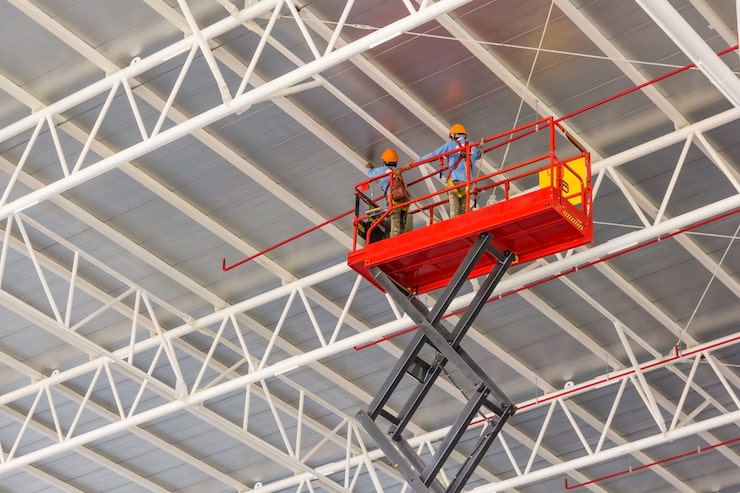
Similarly, a hydraulic work platform lift can be used for applications where an elevated working surface is required, provided the equipment is specifically designed and approved for personnel use.
For industrial environments, specialized hydraulic lift platforms can also be designed around particular production or material-handling requirements. This can include custom platform dimensions, lifting heights, access arrangements, and control systems.
Customization can be especially useful when a standard platform does not fit the available space or the way materials move through a facility.
Planning Platform Lift Installation
Good planning is an important part of any platform lift installation. The equipment needs to work within the available space and suit the way people and materials move around the workplace.
Before installing a platform lift, it is important to consider where the equipment will be placed, how materials will be loaded onto the platform, and where they will be moved after lifting. The surrounding area should allow easy access and provide enough clearance for safe operation. For help assessing the right setup for your workplace, you can Contact Scissors Lift to discuss your lifting requirements and installation considerations.
For a commercial platform lift installation, the planning process may also involve reviewing structural requirements, lifting height, load characteristics, hydraulic requirements, power arrangements, and workplace safety considerations.
The intended frequency of use should also be discussed. Equipment that operates throughout the day may have different requirements from a platform that is used occasionally.
Proper installation is not only about putting the equipment into position. The complete lifting system needs to work as part of the surrounding workplace.
Maintenance and Safe Operation
Regular care is essential for keeping lifting equipment operating as intended. Operators should always follow the manufacturer’s instructions and stay within the specified load capacity.
Routine inspections can help identify issues with hydraulic components, structural parts, controls, platforms, and other equipment. Hydraulic systems should also be checked for signs of leakage or other problems that could affect performance.
Employees who operate lifting equipment should understand the correct procedures for loading, unloading, raising, lowering, and securing loads. The platform should not be overloaded or used for purposes outside its intended design.
Where equipment is intended to carry personnel, additional safety requirements and operating procedures apply. Businesses should always confirm that the specific lift is designed and approved for that purpose.
Regular maintenance and appropriate operator training can help support reliable day-to-day operation and reduce avoidable problems.
Finding a Hydraulic Platform Solution for Your Workplace
The right lifting equipment should make a workplace’s material-handling process more practical, not more complicated. Whether the requirement involves moving goods between levels, positioning machinery, supporting production processes, or improving access to elevated working areas, the equipment needs to match the actual application.
A Hydraulic Platform Lift can be configured in different ways depending on load requirements, platform dimensions, lifting height, installation space, and operating conditions. For businesses that need a more specialized solution, customized lifting equipment may also be considered.
Scissors Lift provides hydraulic and scissor-based lifting solutions for commercial and industrial applications, including customized equipment designed around particular operational and space requirements.
If you are planning a new lifting system or reviewing an existing material-handling process, contacting Scissors Lift can help you discuss the required platform configuration, lifting requirements, and installation considerations for your workplace.