
Moving heavy materials, equipment and goods efficiently is an important part of many industrial and commercial operations. Warehouses, manufacturing facilities, workshops, construction sites and commercial buildings often require reliable lifting equipment to move loads between different heights.
A Scissors Lift Singapore solution can provide controlled vertical lifting for a variety of material-handling and access applications. Depending on the design, scissor lifts can be used for lifting goods, machinery, equipment and personnel in suitable working environments.
With different platform sizes, load capacities, lifting heights and configurations available, selecting the right equipment requires careful consideration of the workplace and the tasks it needs to perform. Understanding the different types of scissor lifts and their applications can help businesses make a more informed choice.
What Is a Scissor Lift?
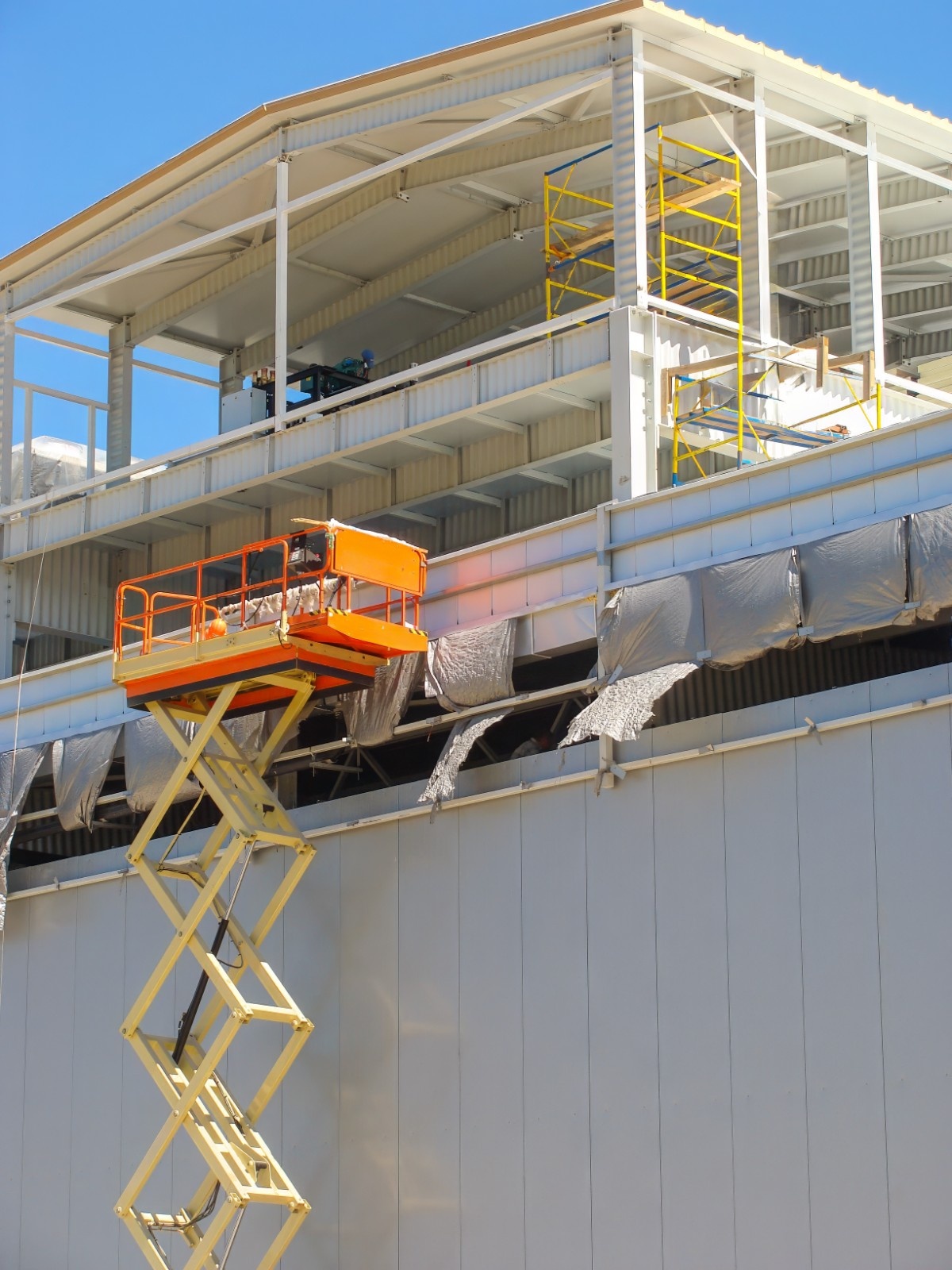
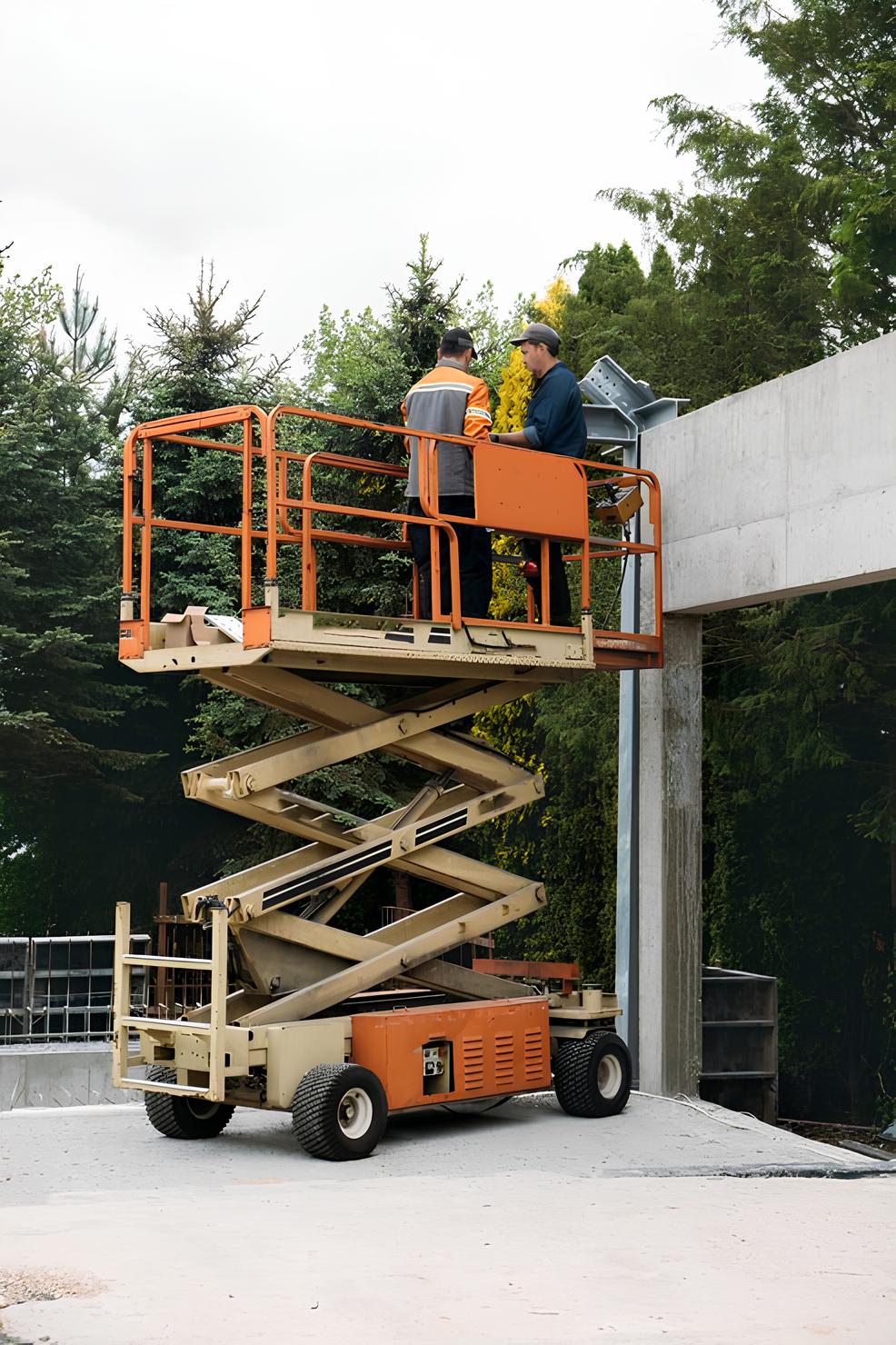
A scissor lift is a lifting platform supported by interconnected arms that extend and contract in a scissor-like movement. When the lifting mechanism is activated, the arms extend upwards to raise the platform. When lowered, the structure folds back into a more compact position.
Many industrial scissor lifts use hydraulic systems to provide controlled vertical movement. Hydraulic cylinders and other components work together to raise and lower the platform according to the equipment’s design.
Scissor lifts can be manufactured in different sizes and configurations. Smaller units may be suitable for compact work areas, while larger systems can be designed to handle heavier loads and more demanding industrial applications.
For businesses considering a Scissors Lift Singapore solution, the intended application, available space, load requirements and working height should all be assessed before selecting a suitable model.
Common Applications of Scissor Lifts in Singapore
Scissor lifts can be used across a range of industries where controlled vertical movement is required. Their applications can vary depending on the configuration and capacity of the equipment.
Warehouse Material Handling
Warehouses often need to move goods between different working levels or position products at a convenient height. Scissor lift tables can assist with loading, unloading, positioning and other material-handling activities.
They can also be incorporated into specific warehouse processes where goods need to be raised or lowered repeatedly. Compact configurations may be particularly useful in facilities where available floor space is limited.
Manufacturing and Production
Manufacturing facilities regularly handle machinery, components and production materials. Some processes require equipment or materials to be positioned at specific heights during production or assembly.
Hydraulic scissor lifts can provide controlled vertical movement for these applications. Depending on the production environment, a lift can be configured around the required load capacity, platform dimensions and operating height.
Workshops and Maintenance Areas
Workshops and maintenance facilities may need to lift equipment, components or materials during repair and servicing activities. A suitable lifting platform can provide a practical way to position loads at a more convenient working level.
For maintenance teams, the appropriate equipment depends on the type of work being carried out, the weight of the items being handled and the available workspace.
Construction and Building Maintenance
Construction and building maintenance work can involve accessing elevated areas or positioning equipment at different heights. Scissor lifts can be used for certain applications where a stable elevated platform is appropriate.
The operating environment should always be assessed before selecting equipment. Factors such as floor conditions, working height, platform dimensions and surrounding obstacles can influence the type of lift required.
Commercial and Industrial Facilities
Large commercial and industrial properties may require lifting equipment for maintenance, installation and material-handling activities. Lighting systems, building components, equipment and other materials may need to be positioned at different heights.
A properly selected lifting system can support these tasks while fitting into the available working environment.
Types of Scissor Lift Solutions
Different applications require different equipment configurations. Understanding the main types can help businesses identify the features that are relevant to their operations.
Hydraulic Scissor Lifts
Hydraulic systems are commonly used for industrial lifting applications. Hydraulic cylinders generate the force needed to raise and lower the platform while allowing controlled movement.
These systems can be suitable for warehouses, factories, workshops and other environments where goods or equipment need to be lifted vertically.
Electric Scissor Lifts
Electric-powered equipment can be useful for indoor applications where controlled operation and reduced noise are important considerations.
Before selecting an electric configuration, businesses should assess the available workspace, operating conditions, lifting height and expected frequency of use.
Scissor Lift Tables
Scissor lift tables are commonly used for vertical material handling. They can raise pallets, machinery, components and other goods to a convenient working level.
Depending on the application, lift tables can be configured with different platform dimensions and load capacities.
Portable and Mobile Scissor Lifts
Some applications require lifting equipment to be moved between different work areas. Portable or mobile configurations can provide greater flexibility where the lift is not intended to remain permanently in one location.
The size, mobility and operating conditions should be considered to ensure the equipment can be positioned effectively within the facility.
Customised Scissor Lift Systems
Standard lifting equipment may not always suit specialized industrial applications. Some businesses require specific platform dimensions, lifting heights or load capacities because of their facility layout or operational processes.
Customized systems can be developed around these requirements, making it possible to accommodate applications that may not be suitable for standard equipment.
Factors to Consider When Selecting a Scissor Lift
Choosing the right lifting equipment starts with understanding the actual requirements of the workplace. Several factors should be reviewed before selecting a particular configuration.
Load Capacity
The maximum load is one of the most important considerations. This may include goods, machinery, tools, materials or personnel, depending on the intended application.
The equipment should be selected according to its specified capacity and should not be operated beyond its rated limits.
Required Lifting Height
Determine the maximum height that the load or working platform needs to reach. The required working height should be based on the actual task rather than simply estimating the height of the facility.
This helps ensure that the selected equipment is appropriate for the intended operation.
Platform Size
Platform dimensions determine how much space is available for goods, equipment or authorised personnel.
A larger platform may be required for bulky loads, while compact platforms can be more practical in narrow work areas. Doorways, aisles and access routes should also be considered when determining the appropriate dimensions.
Available Floor Space
The available workspace can significantly influence equipment selection. Facilities with narrow aisles or restricted access points may require a more compact configuration.
Before installation or operation, businesses should assess the available floor area and the route through which the equipment needs to be positioned.
Operating Environment
The environment in which the lift will be used is another important consideration. Indoor manufacturing facilities, warehouses and workshops may have different requirements from construction or outdoor applications.
Floor conditions, surrounding structures, operating temperatures and available clearance should be considered when selecting the equipment.
Frequency of Operation
A lift used throughout the working day may have different requirements from one used occasionally for maintenance tasks.
Understanding how frequently the equipment will operate can help businesses identify a configuration that aligns with their day-to-day workflow.
Safe Use of Scissor Lifts
Proper operation is an important part of using lifting equipment. Operators should follow the manufacturer’s instructions and applicable workplace safety procedures.
Before use, the equipment should be checked for visible damage, unusual conditions and other issues that could affect operation. The platform, controls, lifting mechanism and other relevant components should be inspected according to established procedures.
Good operating practices include:
- Staying within the specified load capacity.
- Keeping the platform clear of unnecessary obstacles.
- Checking the surrounding area before raising or lowering the platform.
- Maintaining appropriate clearance from overhead structures.
- Using the equipment only for its intended purpose.
- Following the manufacturer’s operating instructions.
- Ensuring authorised and appropriately trained personnel operate the equipment.
- Securing the equipment correctly when it is not being used.
Safety procedures should be incorporated into the workplace’s broader equipment-management practices rather than relying solely on the lifting equipment itself.
Maintenance for Reliable Performance
Regular maintenance can help keep lifting equipment operating as intended. A planned inspection and maintenance programme allows potential issues to be identified before they interfere with normal operations.
Depending on the type of equipment, maintenance may involve checking hydraulic components, structural supports, platform mechanisms, controls, electrical systems and other working parts.
Operators should also report unusual movement, leaks, noises, visible damage or other changes in performance. Maintenance should be carried out according to the manufacturer’s recommendations and applicable workplace requirements.
Keeping equipment properly maintained can support consistent operation and help extend its usable service life.
When a Custom Scissor Lift May Be Appropriate
Every facility has different operational requirements. Standard lifting equipment may work well for general applications, but specialized environments can require a more tailored approach.
For example, a business may need a platform with specific dimensions to fit within a production line or a lifting system capable of handling a particular type of machinery. In these situations, customized lifting equipment can be designed around the available space and intended application.
Before developing a customized solution, businesses should identify the required lifting height, load capacity, platform dimensions, installation area and operating frequency. Providing these details can help determine a configuration that aligns with the intended use.
How Scissor Lifts Support Material Handling
Efficient material handling is important for businesses that regularly move heavy goods, machinery or components. Repeated manual lifting and positioning can make certain workplace tasks more demanding.
A suitable vertical lifting system can help position materials at an appropriate working level. Scissor lift tables, for example, can be incorporated into particular warehouse and production processes where goods need to be raised and lowered regularly.
For heavier or specialised loads, businesses may also consider goods lifts and customized lifting systems based on the nature of their operations.
The appropriate solution will depend on the load, lifting height, platform requirements and working environment.
Selecting the Right Lifting Equipment for Your Facility
There is no single configuration that suits every workplace. A warehouse with narrow aisles may require compact lifting equipment, while a manufacturing facility handling heavy machinery may need a larger hydraulic system.
Before selecting a Scissors Lift Singapore solution, businesses should consider:
- Maximum load requirements
- Required lifting height
- Platform dimensions
- Indoor or outdoor use
- Available floor space
- Mobility requirements
- Frequency of operation
- Type of goods or equipment being lifted
- Installation requirements
- Maintenance considerations
Clearly defining these requirements makes it easier to identify an appropriate lifting configuration.
Scissors Lift provides lifting solutions for a range of applications, including scissor lifts, hydraulic lifts, platform lifts, goods lifts, table lifts and bin lifts. The available solutions can be considered according to the lifting and material-handling requirements of different workplaces.
Scissor Lift Solutions for Different Workplace Requirements
The right lifting equipment can play an important role in warehouses, manufacturing facilities, workshops and other commercial and industrial environments. From moving goods between working levels to positioning machinery and supporting specific maintenance activities, scissor lifts can be adapted to a range of applications.
A Scissors Lift Singapore solution should be selected according to the actual needs of the workplace rather than based only on lifting height or equipment size. Load capacity, platform dimensions, available space, operating environment and frequency of use all contribute to the suitability of a particular configuration.
Businesses can also consider customised lifting systems when standard equipment does not meet their specific operational requirements.
With the right assessment and appropriate maintenance, lifting equipment can become an effective part of material-handling and vertical lifting processes.
Find a Suitable Scissor Lift for Your Application
Choosing lifting equipment begins with understanding what the workplace needs to accomplish. Whether the requirement involves warehouse goods, manufacturing components, machinery, maintenance tasks or specialised material handling, the equipment should be matched to the application.
If you are considering a Scissors Lift Singapore solution for your facility, Contact Scissors Lift to discuss your application, lifting requirements and available equipment options.
Scissors Lift offers a range of lifting solutions designed for different industrial and commercial requirements in Singapore. Businesses can explore the available equipment and discuss their specific lifting requirements to identify a suitable solution.