
Working at height is a regular part of construction, building maintenance, warehouse operations, and industrial work. Tasks such as installing ceiling fixtures, servicing ventilation systems, inspecting overhead equipment, and completing interior renovations often require reliable access to elevated areas. Having the right equipment helps workers carry out these tasks efficiently while keeping the work area organized.
For businesses that need temporary access equipment, Scissor Lift Rental Singapore services offer a practical solution without the need to purchase machinery for long-term use. Companies can select equipment according to their working height, site conditions, platform capacity, and project requirements. This flexibility makes scissor lifts useful for both short-term maintenance activities and larger commercial projects.
A scissor lift provides a raised platform that allows authorised workers to access overhead areas while keeping suitable tools and materials within reach. Depending on the model, it may be suitable for warehouses, factories, commercial buildings, construction sites, and other workplaces that require vertical access.
Scissors Lift provides lifting equipment solutions for different commercial and industrial applications in Singapore. Understanding the available equipment, assessing site requirements, and planning the work in advance can help businesses choose a suitable lifting solution for their projects.
Understanding Scissor Lifts and How They Work
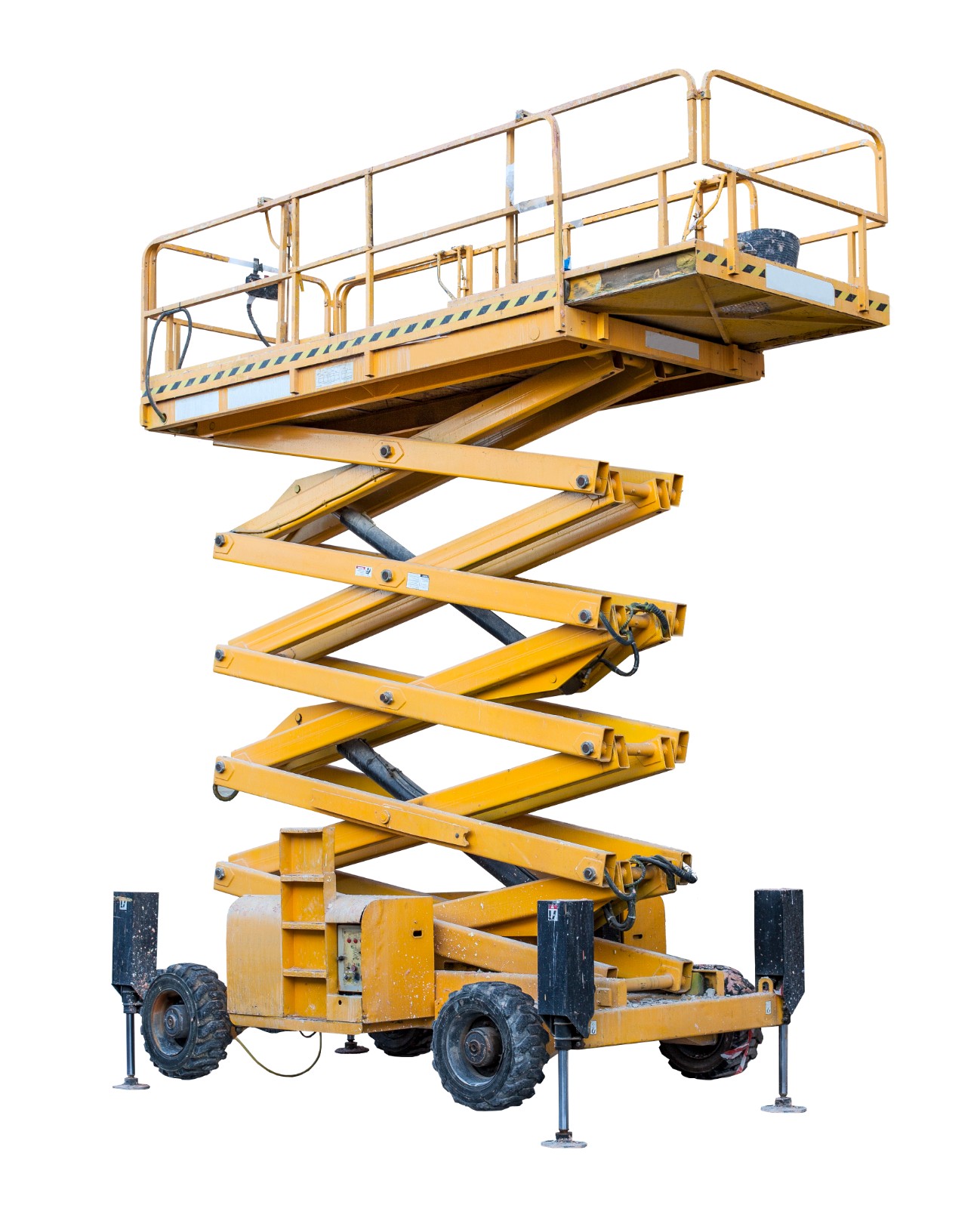
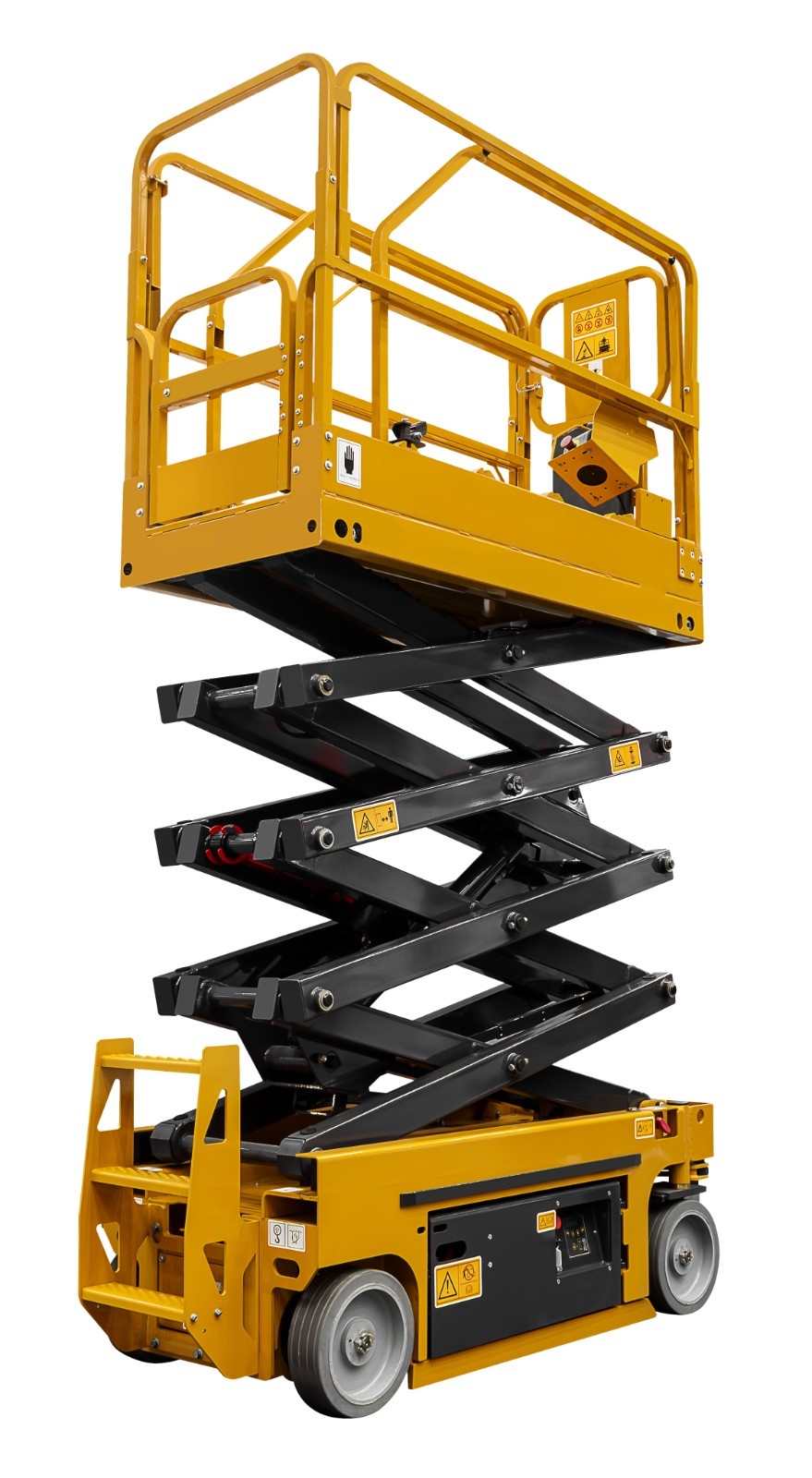
A scissor lift is a type of mobile elevating work platform that uses connected supports arranged in a criss-cross pattern to raise and lower a platform vertically. As the mechanism extends, the platform rises to the required working level. When lowered, the supports fold together, allowing the equipment to return to a more compact position.
The platform provides space for workers and permitted tools, making it useful for tasks that require access to elevated surfaces for an extended period. Unlike a conventional ladder, it allows workers to perform suitable tasks from a dedicated platform rather than repeatedly climbing up and down to retrieve equipment.
Scissor lifts are available in different sizes and configurations. Some models are designed for indoor applications, while others are intended for particular outdoor or industrial environments. Their suitability depends on factors such as platform height, load capacity, machine dimensions, power source, and ground conditions.
When considering scissor lift rental, businesses should start by identifying the work that needs to be completed. A machine suitable for replacing lights in an office may not be appropriate for a construction site with uneven ground or restricted access.
Understanding these differences helps businesses select equipment that matches the task and the working environment.
Common Applications of Scissor Lifts in Singapore
Scissor lifts support a wide range of commercial and industrial activities. Their versatility makes them useful wherever workers need controlled vertical access and a suitable working platform.
Construction and Renovation
Construction projects often involve installing ceilings, fitting lighting systems, painting interior surfaces, and completing finishing work at height. A suitable scissor lift can provide access to these areas while giving workers space to position their tools and materials.
During office renovations and retail fit-outs, lifting equipment may also assist with installing fixtures, completing ceiling work, and carrying out interior repairs. Selecting the right machine requires an assessment of the working height, available floor space, access routes, and site conditions.
Warehouse and Logistics Facilities
Warehouses commonly have high ceilings, overhead lighting, ventilation systems, and other infrastructure that requires regular inspection or maintenance. Scissor lifts can help authorised personnel reach these areas for servicing and repair work.
Businesses arranging scissor lift rental singapore services for warehouse operations should consider aisle widths, doorway dimensions, floor capacity, and the movement of forklifts or other vehicles. The selected equipment must fit the available space and allow work to proceed without creating unnecessary disruption.
Planning maintenance around warehouse activity can also help keep access routes clear and support a more organised workflow.
Commercial Building Maintenance
Offices, shopping centres, hotels, and other commercial properties require ongoing maintenance to keep their facilities functioning properly. Common tasks include replacing overhead lights, inspecting ceiling fixtures, servicing ventilation systems, and repairing elevated fittings.
A suitable lift can help maintenance teams reach these areas more conveniently. Before work begins, businesses should consider nearby occupants, overhead obstructions, access restrictions, and the need to keep the surrounding area clear.
For buildings that remain open during maintenance, coordinating the work schedule can help minimise disruption to staff, customers, and visitors.
Manufacturing and Industrial Operations
Factories and industrial facilities may require elevated access for equipment installation, machinery servicing, production-line maintenance, and overhead inspections. In these environments, the lift must be appropriate for the site layout and the activities taking place nearby.
Before arranging equipment, assess the floor conditions, surrounding machinery, and movement of workers and materials. This helps determine whether the selected model can be positioned and operated appropriately.
Electrical and Mechanical Installation
Electrical and mechanical contractors often work with overhead cables, pipes, ducts, and ventilation systems. A scissor lift can provide a suitable working platform for these activities when the machine is appropriate for the task.
Electrical hazards require particular attention. Workers must follow relevant safety procedures, maintain the required clearances, and ensure that the equipment is suitable for the environment. A site-specific risk assessment and the manufacturer’s instructions should guide the work.
Choosing the Right Scissor Lift for Your Requirements
Not every project requires the same type of lifting equipment. Choosing a suitable model involves assessing the required height, platform capacity, available space, and conditions at the worksite.
Electric Scissor Lifts
Electric scissor lifts are commonly considered for indoor applications where low operating noise and the absence of exhaust emissions during normal operation are important. They may be suitable for warehouses, workshops, commercial buildings, and other enclosed environments.
Before selecting an electric model, check its dimensions, battery requirements, platform capacity, and turning space. The floor must be suitable for the machine, and the planned route should provide enough clearance for safe movement.
Compact Scissor Lifts
Some workplaces have narrow corridors, restricted doorways, or limited turning areas. Compact models may be suitable for these environments because their smaller dimensions can make positioning easier.
However, a compact machine must still provide the required working height and platform capacity. Measuring entrances, corridors, and the intended working area before delivery can help prevent access problems.
Outdoor Scissor Lifts
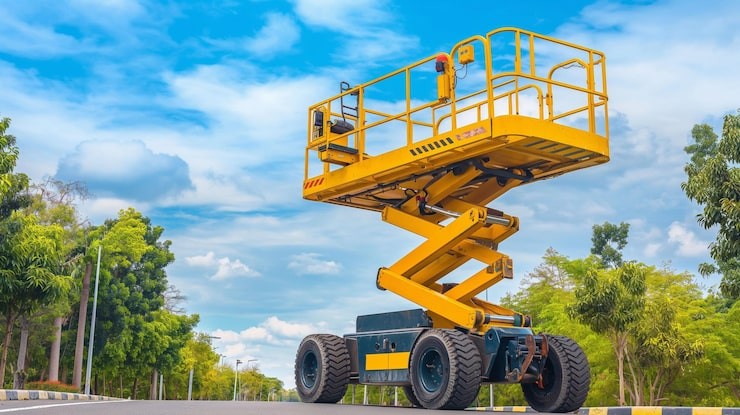
Outdoor construction and maintenance work may require equipment designed for particular ground conditions. Uneven surfaces, slopes, loose materials, and weather can affect whether a lift can be used safely.
Businesses should confirm that the selected model is approved for the intended environment. Ground conditions, levelling requirements, and the manufacturer’s operating restrictions should all be considered before work begins.
Platform Capacity and Working Height
Platform capacity includes the combined weight of workers, tools, and permitted materials. Exceeding the rated limit can create serious safety hazards, so the expected load should be checked before equipment is selected.
When arranging scissor lift rental, it is important to understand the difference between platform height and working height. Knowing the height required for your task helps you select equipment that suits your project and site conditions. Scissors Lift can help you explore suitable lifting options based on your working requirements.
Planning Your Scissor Lift Rental
A little preparation before arranging equipment can help businesses avoid delays and choose a machine that suits the project.
Assess the Worksite
Start by identifying where the equipment will be used and how it will reach the work area. Measure doorways, corridors, access routes, and other restricted sections. Check for overhead structures, floor openings, and obstacles that could affect movement.
For warehouse and industrial projects, consider how the lift will operate around other equipment and ongoing activities. Keeping these details in mind helps establish which models are suitable for the site.
Confirm the Rental Period
The expected duration of the work can influence the rental arrangement. A short maintenance task may require different scheduling from a construction project that involves several stages.
Businesses should communicate their expected start date, rental period, and possible schedule changes when requesting equipment. Clear information helps the supplier understand the requirements and coordinate the arrangement.
Organise Delivery and Collection
Delivery planning is another important consideration. The site should have an appropriate unloading area, suitable access routes, and enough space to position the equipment.
Businesses should also clarify delivery and collection arrangements in advance. Preparing the site before the machine arrives can help reduce delays and make better use of the available working time.
Compare Equipment Suitability
When researching scissor lift rental singapore price information, start by identifying the equipment specifications required for the job. Rental arrangements may vary according to the model, working height, platform capacity, rental duration, and delivery requirements.
Businesses reviewing scissor lift rental prices should compare machines with similar specifications and intended applications. A compact indoor model and a larger machine designed for different site conditions may not provide equivalent capabilities.
Companies searching for cheap scissor lift rental options should also ensure that the equipment meets the project’s requirements. Selecting a machine that cannot reach the work area or fit through the access route may lead to unnecessary disruption.
Similarly, businesses looking into scissor lift rental price singapore options should provide accurate information about the intended application, working height, and rental duration. These details help the supplier identify equipment that may be suitable.
For companies searching online for scissor lift rental near me, it is useful to consider delivery access and scheduling alongside the machine’s specifications. Sharing clear information about the worksite can make equipment selection and coordination easier.
The aim should be to find equipment that suits the task, fits the site, and supports the planned schedule.
Safety Practices for Scissor Lift Operation
Safe operation depends on suitable equipment, proper training, and a clear understanding of the working environment. Operators must follow the manufacturer’s instructions and applicable workplace safety requirements.
Inspect the Equipment Before Use
Before operating the lift, carry out the required pre-use inspection. Check the controls, guardrails, platform components, wheels or tyres, and other relevant safety features for visible damage or defects.
Any suspected problem should be reported. Equipment that may be unsafe should not be operated until it has been assessed and the issue has been addressed appropriately.
Check Ground Conditions
The lift should be positioned on a surface that meets the manufacturer’s requirements. Uneven ground, unstable surfaces, slopes, and floor openings can affect equipment stability.
Workers should also identify overhead obstructions and ensure that the platform can rise without contacting ceilings, beams, cables, or other structures.
Follow Load Limits
Always observe the machine’s rated platform capacity and operating restrictions. Workers should distribute permitted loads appropriately and keep tools and materials secure.
The platform must not be modified or used in ways that fall outside the manufacturer’s instructions. Operators should also avoid unsafe positioning and overreaching while working at height.
Keep the Work Area Clear
The surrounding area should be organized to reduce interference from pedestrians, vehicles, and other equipment. Depending on the site, barriers, warning signs, and suitable traffic-management arrangements may be necessary.
Clear communication among workers helps reduce confusion while the machine is being positioned or operated.
Ensure Proper Training
Only appropriately trained and authorised personnel should operate the equipment. Operators should understand the controls, emergency procedures, machine limitations, and relevant site requirements.
Work should begin only after the equipment and working environment have been assessed and the necessary safety precautions are in place.
Improving Productivity Through Better Planning
Good planning can help businesses make more effective use of their lifting equipment. Before the machine arrives, identify the tasks that require elevated access and organize them in a practical sequence.
For example, a maintenance team may need to replace lights, inspect ceiling fixtures, and service ventilation equipment in the same area. Grouping compatible tasks can reduce unnecessary repositioning and help the team work more efficiently.
Prepare the necessary tools and materials in advance, keep access routes clear, and coordinate with other contractors working nearby. These steps can reduce interruptions and support a more organised working environment.
For projects involving several types of lifting equipment, assess the full workflow before making arrangements. A scissor lift is primarily intended to provide vertical access to elevated work areas, while other equipment may be more appropriate for transporting goods or handling different loads.
Discussing the worksite and project requirements with a suitable supplier can help businesses identify equipment that meets their operational needs.
Scissors Lift for Commercial and Industrial Projects
Choosing lifting equipment requires an understanding of the task, the site layout, and the machine’s capabilities. Working height, platform capacity, access restrictions, floor conditions, and operating requirements all play a role in the selection process.
Scissors Lift provides lifting equipment solutions for commercial, industrial, and construction applications in Singapore. Its equipment range includes scissor lifts, goods lifts, hydraulic lifting equipment, and other material-handling solutions.
Businesses arranging scissor lift rental can begin by sharing essential project details, including the intended application, worksite location, required height, expected load, and rental duration. This information helps establish which equipment may be appropriate for the job.
Whether you are managing warehouse maintenance, renovating a commercial building, installing overhead systems, or completing industrial repairs, choosing suitable equipment can help support an organised workflow.
If you are planning an upcoming project, contact Scissors Lift to discuss your requirements and explore the available lifting equipment options for your worksite.
Find a Suitable Lifting Solution for Your Next Project
Scissor lifts provide practical elevated access for many construction, maintenance, warehousing, and industrial activities. Their platforms allow authorised workers to reach overhead areas while keeping permitted tools and materials within reach.
The right equipment depends on the work being performed and the conditions at the site. Assessing the required height, platform capacity, access dimensions, ground conditions, and safety requirements before arranging a rental helps businesses make an informed decision.
For businesses that need temporary access equipment, scissor lift rental in Singapore offers a practical solution for projects of varying durations. Contact Scissors Lift to discuss your project requirements and find suitable equipment that meets your working height, site conditions, and operational needs.
Scissors Lift can help you explore lifting equipment options for your next project. Get in touch to discuss your requirements and identify a suitable solution for your worksite in Singapore.