
Moving heavy materials between different levels can be challenging for businesses that operate warehouses, factories, distribution centres and commercial facilities. As operations grow, transporting goods manually or relying on unsuitable equipment can slow down workflows and create unnecessary handling risks. A suitable lifting system helps simplify these movements, improve workplace organisation and support more efficient material handling.
Businesses looking for Goods Lift in Singapore solutions need to consider more than just the ability to move products vertically. The equipment should suit the building layout, the type of materials being handled, the available space and the demands of everyday operations. Choosing the right system can make a noticeable difference to productivity while supporting safer working practices.
Scissors Lift provides lifting equipment solutions designed to support material handling requirements across different working environments. Understanding the available options and the factors involved in selecting a lifting system can help businesses make informed decisions for their facilities.
Understanding the Purpose of a Goods Lift
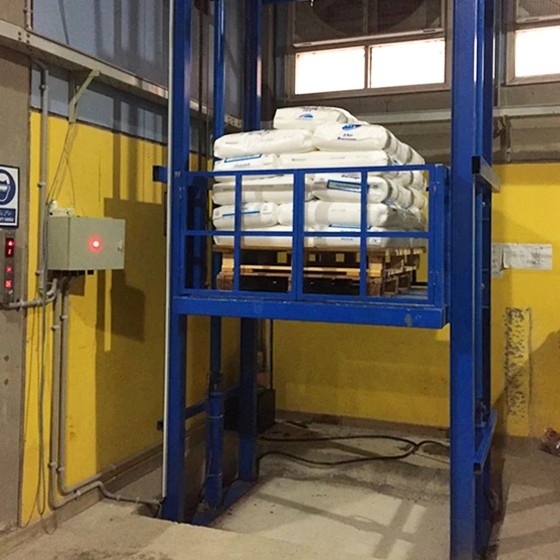
A goods lift is a mechanical lifting system designed to transport materials, products and equipment between different floor levels. Unlike passenger lifts, which are designed to carry people, these systems are primarily intended for moving goods within industrial, commercial and storage environments.
A well-planned goods lift can help businesses transfer heavy or bulky items without depending entirely on manual handling. This is particularly useful in buildings where storage areas, production sections and loading zones are spread across multiple floors.
Depending on the application, goods lifts can be used to move:
- Raw materials and manufacturing supplies
- Packaged products and cartons
- Warehouse inventory and stock
- Machinery components and equipment
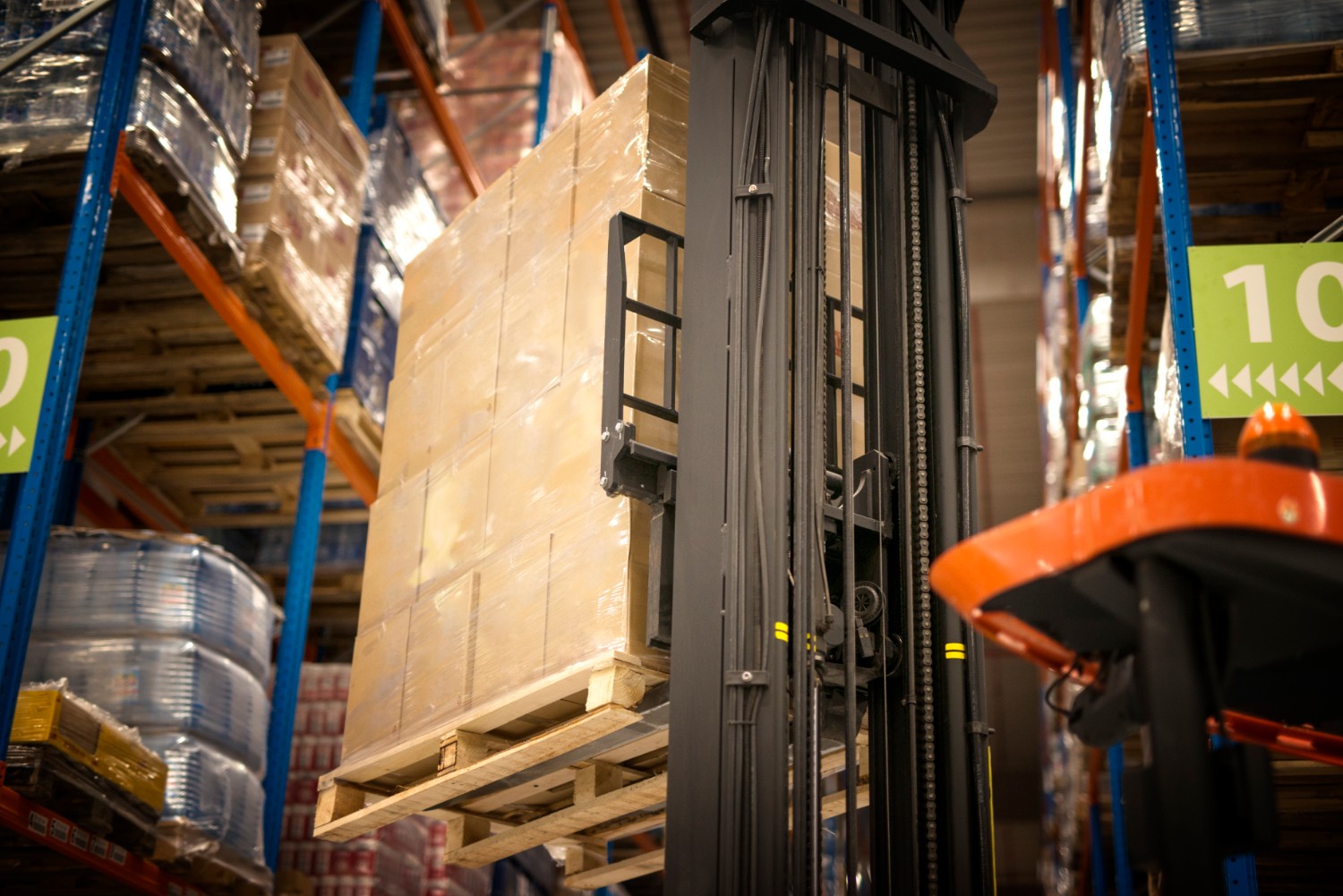
- Pallets and other heavy loads
- Finished products ready for dispatch
The right equipment depends on the weight, dimensions and handling requirements of the materials being transported. Businesses should also consider how frequently the lift will be used and whether it needs to connect specific working areas.
Why Businesses Need Goods Lifts in Singapore
Singapore has a wide range of industrial, commercial and logistics facilities where efficient movement of materials is an important part of daily operations. Warehouses, manufacturing plants, retail storage areas and multi-storey commercial buildings often need dependable ways to transfer products between levels.
A suitable Goods Lift Singapore installation can help address these requirements by reducing the effort involved in moving materials vertically. Instead of repeatedly carrying heavy products through stairways or relying on temporary handling arrangements, employees can use an appropriate mechanical system.
This can provide several operational advantages.
Improved material handling: Goods lifts help move products between designated floors, making it easier to organise storage, production and dispatch activities. This can be particularly helpful when businesses handle large quantities of inventory throughout the day.
Better use of available space: In buildings with limited floor space, vertical storage can help businesses make better use of their existing premises. A suitable lifting arrangement allows materials to move between levels without requiring all storage and operational activities to remain on one floor.
Reduced manual handling: Moving heavy items manually can place physical strain on employees. A properly selected lifting system reduces the need for workers to carry bulky materials over long distances or between floors.
More organised workflows: When goods can be transferred between specific locations, businesses can organise their processes more effectively. Materials can move from receiving areas to storage sections, production floors or dispatch zones with fewer unnecessary handling steps.
Types of Goods Lifting Equipment
Different facilities have different lifting requirements. The most suitable system depends on the load, lifting height, operating environment and available installation space.
Hydraulic Goods Lift
A hydraulic goods lift uses hydraulic pressure to raise and lower a platform or lifting structure. These systems are commonly considered for applications that require controlled vertical movement of materials.
The design can be suitable for various industrial and commercial settings, depending on the required capacity and configuration. Businesses evaluating an industrial goods lift should consider the lifting height, platform dimensions, operating frequency and the nature of the materials being moved.
Hydraulic systems may also be considered where a facility needs a lifting arrangement that can be integrated into its existing layout. The installation must be planned according to the building structure and relevant safety requirements.
Scissor Lifting Platforms
Scissor lifting platforms use linked supports that extend and retract to raise or lower a platform. They are commonly used in material handling and work-access applications, depending on their design and configuration.
A scissor lift may be appropriate where materials need to be raised to a working height or transferred as part of a specific industrial process. Some configurations are designed for stationary installation, while others are intended for different workplace applications.
Businesses should distinguish between a scissor lifting platform and a conventional goods lift. Although both can support vertical movement, their intended uses, operating arrangements and installation requirements may differ.
Warehouse Goods Lift Systems
A warehouse goods lift is selected according to the way a storage facility receives, stores and dispatches products. Warehouses may need to move cartons, pallets, stock containers or equipment between different levels.
The system should match the dimensions and weight of the goods being handled. It should also fit into the existing workflow without obstructing access routes, loading areas or other essential operations.
For facilities with frequent material movement, businesses should assess how the lifting equipment will connect different storage and handling zones. A carefully planned layout can help reduce unnecessary movement and keep daily activities organised.
Choosing the Right Goods Lift for Your Facility
Selecting lifting equipment involves understanding the actual requirements of the workplace. A system that works well in one facility may not be appropriate for another, even if both businesses handle similar materials.
Before choosing a Goods Lift Singapore solution, consider the following factors.
- Load Capacity
Load capacity is one of the most important considerations when selecting a lifting system. Businesses should identify the maximum weight of the goods that will regularly be transported.
It is also important to account for the combined weight of products, pallets, containers and any other items placed on the platform. Choosing equipment based only on the average load may not provide enough capacity for heavier operating requirements.
The selected system should have a rated capacity appropriate for the intended application. Loads should never exceed the manufacturer’s specified limits.
- Goods Lift Dimensions
The platform must provide enough space to accommodate the materials being transported. When assessing goods lift dimensions, consider the length, width and height of the largest items that will regularly pass through the system.
Businesses should also account for pallets, trolleys, packaging and handling equipment. A platform that is too small can make loading difficult and may restrict the types of materials that can be moved.
The size of the door openings and the surrounding access areas should also be considered when selecting lifting equipment. They need to provide enough space for goods and handling equipment to be loaded and unloaded smoothly without creating difficulties during daily operations.
- Goods Lift Size and Available Space
The overall goods lift size must suit the building layout. This includes the platform, supporting structure, access openings and the space required for installation and maintenance.
Facilities with restricted floor areas may need a more carefully planned configuration. Before installation, businesses should assess the available shaft or installation area, floor openings, ceiling clearance and access requirements.
A site assessment can help identify practical limitations before equipment is selected. It also allows the installation plan to account for the movement of goods around the lifting area.
- Lifting Height and Number of Floors
The required lifting height will depend on the distance between the levels being connected. Some facilities only need to move materials between two floors, while others may require access across several levels.
Businesses should identify the floors that need to be connected and determine how the lift will support their daily operations. The lifting arrangement should be planned according to the building structure and the equipment’s technical specifications.
- Operating Frequency
A lifting system used occasionally may have different requirements from one that operates throughout the working day.
Warehouses and manufacturing facilities with regular material movement should consider how frequently the equipment will be used. Operating frequency can influence the type of system, its configuration and the maintenance arrangements required.
Understanding daily usage helps businesses select equipment that is suitable for their actual workload rather than relying on assumptions.
Workplace Safety and Proper Material Handling
Mechanical lifting equipment can reduce the need for manual transportation, but safe operating practices remain essential. Employees should understand how the equipment works and follow the manufacturer’s operating instructions.
A suitable industrial goods lift should be installed and maintained according to its intended use and applicable safety requirements. Access points, loading areas and surrounding walkways should remain clear to support safe movement.
Employees should also receive appropriate training before operating lifting equipment. They need to understand the rated load capacity, correct loading procedures, emergency arrangements and any restrictions associated with the system.
Maintaining Good Lifting Posture
Although a goods lift reduces the need to carry heavy materials between floors, workers may still need to load and unload products manually. Maintaining good lifting posture during these activities can help reduce unnecessary strain.
Employees should keep loads close to their bodies, bend their knees when appropriate and avoid twisting while carrying heavy items. They should also assess the weight and stability of an object before attempting to lift it.
Where products are too heavy or awkward to handle safely, suitable mechanical handling equipment should be used. Training and clear workplace procedures can help employees understand when manual handling is appropriate and when additional assistance is necessary.
Using Suitable Lifting Accessories
Some workplaces use accessories such as lifting straps and belts when handling specific materials or equipment. Selecting good lifting straps requires attention to the intended application, load rating, material condition and compatibility with the lifting arrangement.
Similarly, good lifting belts should only be used where they are appropriate for the task and supported by relevant workplace procedures. These accessories should not be treated as substitutes for proper lifting equipment, safe handling techniques or employee training.
For businesses using goods lifts, the main priority should be ensuring that materials are loaded securely and remain within the equipment’s rated capacity. Any accessories used during material handling should be suitable for their intended purpose and inspected according to the manufacturer’s guidance.
Planning the Installation of a Goods Lift
Installing a goods lift requires careful planning to ensure that the equipment suits the building and its operational requirements. Businesses should assess the site before deciding on the final configuration.
The planning process generally involves several important considerations.
Building layout: The available installation area, floor openings, access points and surrounding structures need to be assessed.
Material flow: The lift should connect locations that make sense for the facility’s receiving, storage, production or dispatch activities.
Load requirements: The expected load capacity and dimensions of the materials should guide equipment selection.
Access and operation: Loading and unloading areas should provide sufficient space for employees and handling equipment.
Safety requirements: The installation should account for relevant regulations, protective arrangements and manufacturer specifications.
Working through these considerations before installation can help prevent layout problems and make the lifting system more practical for everyday use.
Scissors Lift can help businesses explore lifting equipment options based on their material handling requirements and available working space.
Maintenance and Regular Inspections
Regular maintenance is important for keeping lifting equipment in suitable working condition. A maintenance programme can help identify wear, damage or operational issues before they affect normal use.
The inspection schedule should follow the manufacturer’s recommendations and applicable requirements. Depending on the equipment, checks may include the lifting mechanism, hydraulic components, electrical systems, platform condition, controls and safety devices.
Operators should also report unusual noises, irregular movement, visible damage or other signs of malfunction. Equipment that appears unsafe should not continue operating until it has been assessed by a qualified person.
For businesses using a warehouse goods lift, planned maintenance can help reduce unexpected interruptions to storage and dispatch activities. Keeping inspection and servicing records also makes it easier to track maintenance work and identify recurring issues.
Improving Warehouse and Industrial Workflows
A lifting system should support the way a facility operates rather than create additional obstacles. Its position and configuration can influence how quickly materials move between different departments and storage areas.
For example, a warehouse may receive goods on the ground floor and store inventory on an upper level. A suitable lift can connect these areas and help employees transfer stock more efficiently.
In manufacturing facilities, lifting equipment may support the movement of materials between production stages. Commercial buildings may also use goods lifts to transfer supplies, equipment and stock between designated service areas.
When planning a Goods Lift Singapore installation, businesses should consider the complete movement process. This includes where goods arrive, where they are stored, how they are transferred and where they are eventually dispatched or used.
Organising these activities around an appropriate lifting arrangement can help reduce unnecessary handling and improve the use of available space.
Selecting a Suitable Lifting Solution with Scissors Lift
Choosing lifting equipment is an important decision for businesses that regularly move materials between different levels. The right solution should match the facility’s load requirements, available space, lifting height and daily operating needs.
Scissors Lift offers lifting equipment solutions for businesses looking to support material handling across industrial and commercial environments. Before selecting a system, it is useful to discuss the intended application, the dimensions and weight of the goods, and the layout of the installation area.
These details help establish which type of equipment may be suitable and what requirements need to be considered during planning.
A well-selected lifting system can support more organised material movement, reduce reliance on manual transportation and make better use of a facility’s available space. Businesses should also consider operator training, regular inspections and appropriate maintenance as part of their long-term equipment planning.
If your business is exploring Goods Lift Singapore solutions, Contact Scissors Lift to discuss your lifting requirements and identify an option suited to your facility.