

In today’s fast-paced industrial and commercial environments, efficiency and safety are more important than ever. One piece of equipment that plays a crucial role in achieving both is the Hydraulic Platform Lift. Designed to move heavy loads vertically with ease, these lifts have become an essential solution across various industries, from warehouses to construction sites.
What Is a Hydraulic Platform Lift?
A hydraulic platform lift is a type of vertical lifting equipment that uses hydraulic pressure to raise and lower a platform. This system operates through a pump that pushes hydraulic fluid into a cylinder, creating force that lifts the platform smoothly and steadily. When the fluid is released, the platform descends in a controlled manner.
The simplicity of this mechanism makes hydraulic lifts highly reliable and efficient, especially when handling heavy loads that would otherwise require significant manual effort or more complex machinery.
How It Works
The working principle behind a hydraulic lift platform is based on fluid mechanics. When pressure is applied to a confined liquid, it transmits force equally in all directions. This principle allows the system to lift heavy loads with minimal input force.
A typical hydraulic platform lift consists of:
- A hydraulic pump
- Cylinders and pistons
- A platform or deck
- Control valves and safety systems
With the push of a button or lever, the pump forces hydraulic fluid into the cylinder, pushing the piston upward and raising the platform. This results in smooth, stable, and precise lifting—one of the key advantages of hydraulic systems.
Key Features of Hydraulic Platform Lifts
Hydraulic platform lifts are known for their robust design and practical functionality. Some of the standout features include:
- High Load Capacity: These lifts can handle heavy loads, making them ideal for industrial applications.
- Smooth Operation: The hydraulic system ensures jerk-free movement, reducing the risk of load damage.
- Durability: Built with strong materials, these lifts are designed for long-term use in demanding environments.
- Space Efficiency: Many models are compact and can be installed in tight spaces without compromising performance.
- User-Friendly Controls: Simple control systems make them easy to operate, even for beginners.
Types of Hydraulic Platform Lifts
There are several configurations of hydraulic platform lifts, each suited for specific tasks:
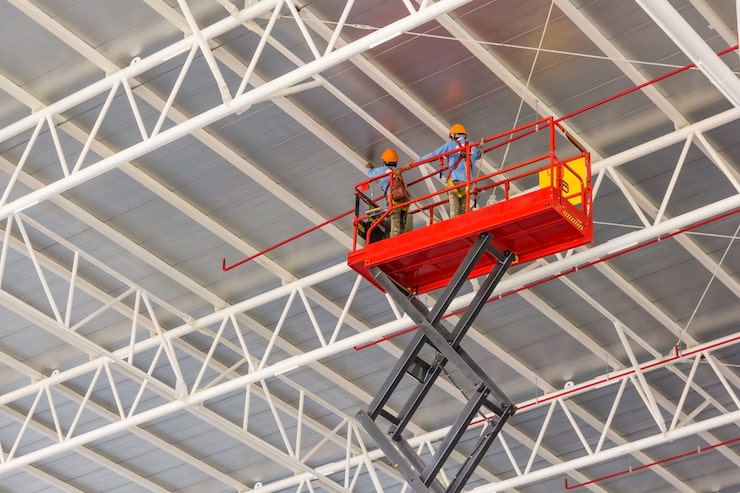
- Scissor Lifts: These are among the most common types, using a crisscross mechanism to extend vertically. Ideal for maintenance and construction work.
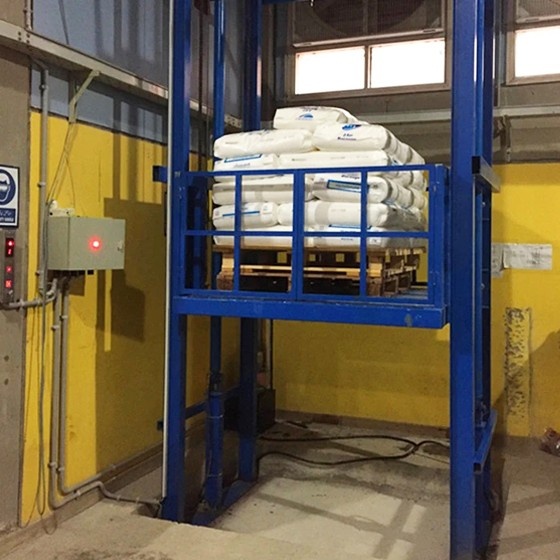
- Goods Lifts: Designed specifically for transporting materials between floors in warehouses and factories.
- Vertical Platform Lifts: These move straight up and down and are often used in commercial or accessibility applications.
Each type offers unique benefits depending on the working environment and lifting requirements.
Applications Across Industries
Hydraulic platform lifts are incredibly versatile and are used in a wide range of industries:
- Warehousing and Logistics: For loading, unloading, and moving goods between levels.
- Manufacturing: To transport raw materials and finished products efficiently within facilities.
- Construction: Used for lifting workers, tools, and materials to different heights safely.
- Maintenance and Installation: Ideal for accessing elevated areas such as ceilings, lighting systems, and equipment.
These lifts significantly improve workflow by reducing manual handling and speeding up operations.
Advantages of Hydraulic Platform Lifts
One of the main reasons hydraulic platform lifts are so widely used is their numerous advantages:
- Reliability: Fewer moving parts compared to other systems mean less chance of mechanical failure.
- Cost-Effective Operation: They require relatively low maintenance and have a long service life.
- Precision Handling: The controlled movement allows for accurate positioning of loads.
- Energy Efficiency: Hydraulic systems are efficient in converting energy into lifting power.
- Versatility: Suitable for both indoor and outdoor use across different industries.
These benefits make hydraulic lifts a practical investment for businesses looking to improve operational efficiency.
Safety and Operational Benefits
Safety is a major concern in any workplace, and hydraulic platform lifts are designed with this in mind. They offer excellent stability due to their solid construction and balanced lifting mechanism. The smooth, controlled motion reduces the risk of sudden drops or jerks, ensuring safer handling of both materials and personnel.
Additionally, many lifts come equipped with safety features such as emergency stop buttons, overload protection, and secure guardrails. By minimizing the need for manual lifting, these systems also help reduce workplace injuries and fatigue.
Hydraulic platform lifts have become a cornerstone of modern material handling and vertical transportation. Their ability to lift heavy loads efficiently, safely, and with precision makes them indispensable across industries. Whether used in warehouses, construction sites, or manufacturing plants, these lifts enhance productivity while maintaining high safety standards.
For businesses looking to implement reliable lifting solutions, exploring options from Scissors Lift can be a practical step toward improving efficiency and ensuring smooth operations in demanding work environments.