

Moving heavy goods, machinery and materials between different floors is a common challenge for warehouses, factories and commercial facilities. As businesses expand their operations, efficient material handling becomes increasingly important. Carrying bulky products manually can slow down workflows, create unnecessary physical demands and make it difficult to manage storage across multiple levels.
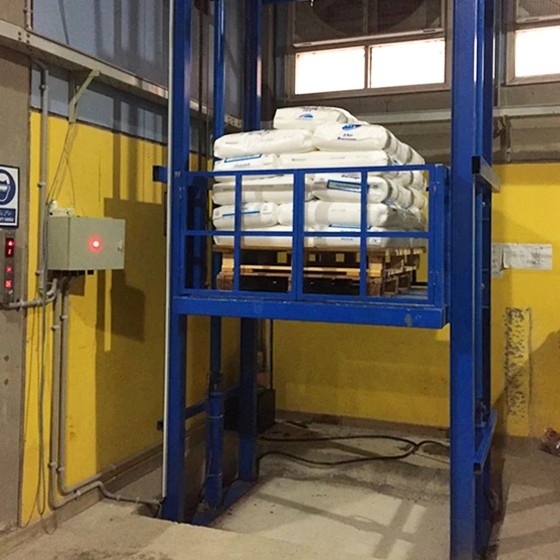
A Goods Lift in Singapore solution provides an effective way to transport materials vertically while supporting organised warehouse and industrial operations. These lifting systems are designed to handle different types of loads, making them suitable for manufacturing facilities, distribution centres, storage buildings and commercial properties.
Scissors Lift specialises in manufacturing and supplying lifting equipment, including customised goods lifts, hydraulic platform lifts and scissor table lifts. With locally manufactured equipment and solutions designed around specific operational requirements, businesses can explore lifting systems that suit their available space, load requirements and daily activities.
Understanding how goods lifts work, their applications and the specifications involved can help businesses make informed decisions when planning a material handling installation.
What Is a Goods Lift and How Does It Work?
A goods lift is a mechanical lifting system designed to transport materials, products and equipment between different floor levels. Unlike passenger lifts, these systems are primarily intended for handling goods rather than transporting people.
Depending on the application, a goods lift may use a hydraulic mechanism, scissor lifting arrangement or another suitable lifting configuration. Hydraulic systems use pressurised fluid to move a cylinder, which raises or lowers the supporting platform. Scissor mechanisms use interconnected metal supports that expand and contract to create vertical movement.
A properly designed goods lift can support regular material transportation in facilities where products need to move between storage areas, production floors and dispatch locations.
Typical applications include:
- Warehouses handling cartons, pallets and packaged inventory.
- Factories transferring raw materials and finished products.
- Commercial buildings moving maintenance supplies and equipment.
- Industrial workshops transporting machinery and heavy components.
- Distribution facilities organising goods between different operational levels.
The appropriate lifting arrangement depends on the building layout, load characteristics, lifting height and frequency of use.
Industrial Goods Lift Applications Across Different Industries
Industrial facilities often handle materials that are too heavy, bulky or inconvenient to move manually. An industrial goods lift provides a dedicated vertical transportation solution that helps streamline these activities.
In manufacturing environments, lifting equipment can be used to move raw materials to production areas and transfer completed components between departments. This creates a more organised workflow and helps reduce unnecessary handling.
In engineering workshops, industrial lifting platforms can support the movement of machinery, equipment and heavy components. In commercial facilities, they can assist with transporting supplies and products between storage and operational areas.
An industrial goods lift can also be customised to suit specific site conditions. For example, a facility with limited installation space may require a specially designed platform, while another application may need a higher load capacity or a different loading arrangement.
Before selecting equipment, businesses should assess the type of goods being transported, their maximum weight, dimensions and the available installation area.
Warehouse Goods Lift for Efficient Material Handling
Warehouses frequently store products across multiple levels to make better use of available floor space. However, transporting inventory between these levels can become challenging when suitable lifting equipment is unavailable.
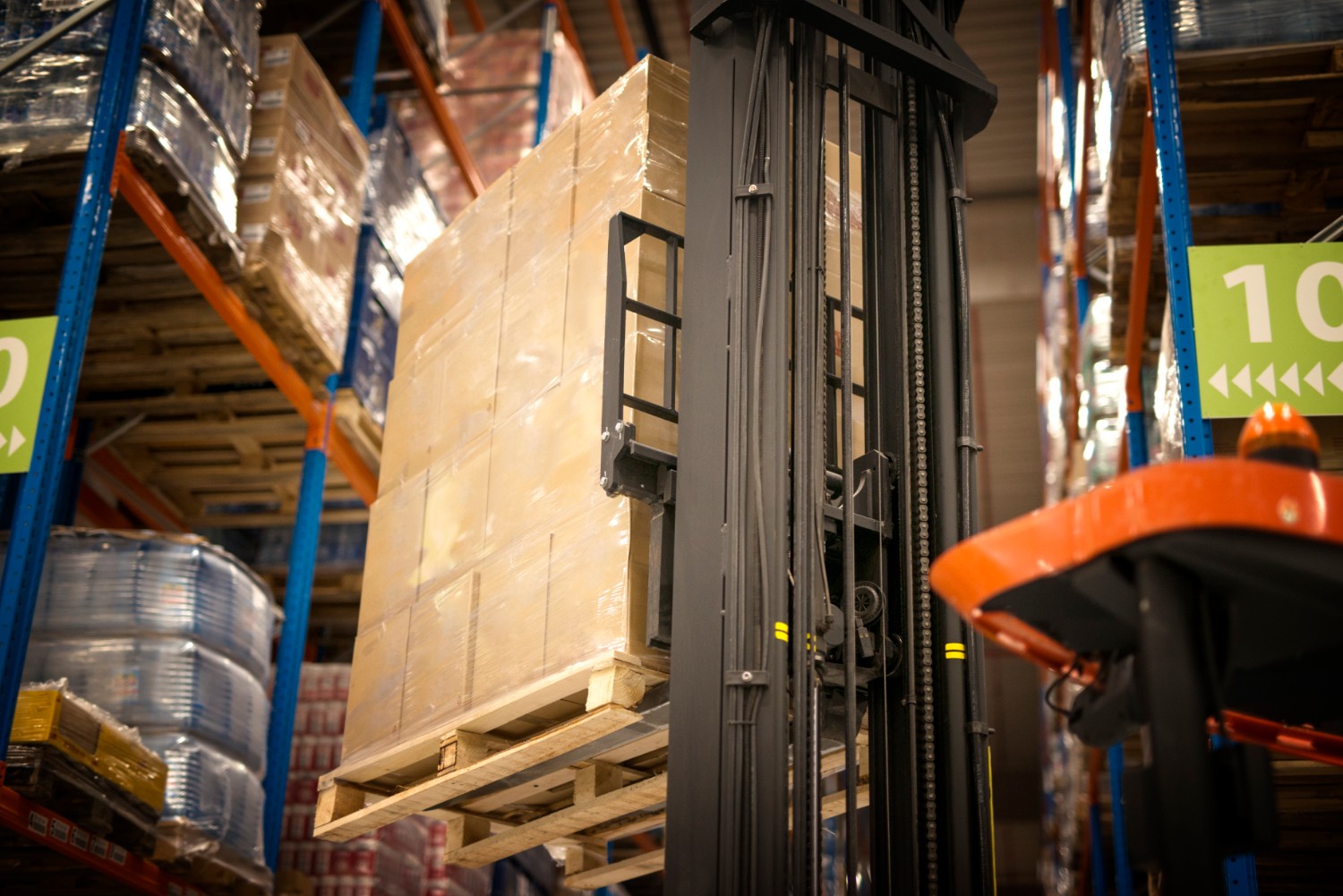
A warehouse goods lift provides a practical way to connect different storage and operational areas. It can support the movement of products during receiving, storage, picking, packaging and dispatch activities.
For example, a warehouse may use the ground floor for receiving deliveries, an upper level for inventory storage and a separate area for packaging. A lifting platform can help transfer materials between these locations without depending entirely on manual transportation.
Common warehouse applications include:
- Moving palletised goods between floors.
- Transferring cartons and packaged products.
- Handling industrial components and spare parts.
- Moving storage containers and equipment.
- Supporting stock replenishment and dispatch activities.
The correct warehouse goods lift should accommodate the dimensions and weight of the materials being handled. Businesses should also consider how forklifts, pallet trucks and trolleys will interact with the lifting platform during loading and unloading.
A well-planned installation can help improve the movement of inventory and make better use of the available warehouse space.
Understanding Goods Lift Dimensions and Specifications
Selecting appropriate platform measurements is an important part of planning a lifting installation. Goods lift dimensions should be determined by the actual products, equipment and handling methods used within the facility.
Choosing a platform that is too small can make loading difficult, while an unnecessarily large platform may not suit the available installation area.
When assessing goods lift dimensions, businesses should consider several measurements.
Platform Width and Length
The platform width and length determine the maximum floor area available for carrying materials. These measurements should accommodate the largest items normally transported.
For facilities handling pallets, businesses should account for the pallet dimensions and the positioning of the load. Machinery and unusually shaped equipment may require additional clearance.
Platform Height and Loading Clearance
Platform height and access arrangements should allow goods to be loaded and unloaded conveniently. The opening dimensions and surrounding structure should also be considered.
Lifting Height
Lifting height refers to the vertical distance the platform needs to travel between loading and unloading positions. The building layout and required floor connections will influence the equipment configuration.
Load Capacity
The rated lifting capacity must be suitable for the maximum intended load. Businesses should account for the combined weight of materials and any permitted handling equipment.
When determining the appropriate goods lift size, it is important to consider future operational requirements as well as current material handling needs.
Scissors Lift offers customised lifting equipment designed around specific dimensions, operating requirements and space limitations. Businesses can discuss their application requirements before determining the appropriate platform configuration.
Types of Goods Lifting Equipment
Different industrial environments require different lifting arrangements. Understanding the available systems can help businesses identify equipment suitable for their operations.
Hydraulic Goods Lifts
Hydraulic lifting systems use pressurised fluid to generate the force required to raise and lower a platform. They are commonly used for applications involving heavy materials and industrial equipment.
A hydraulic goods lift generally consists of a hydraulic pump, cylinder, reservoir, control system and supporting structure. When hydraulic fluid is directed into the cylinder, the piston moves and generates the lifting action.
The system can be configured to suit different platform dimensions, load requirements and lifting heights.
Scissor Platform Lifts
Scissor lift use interconnected metal supports that open and close in a movement resembling a pair of scissors. This mechanism raises or lowers the platform vertically.
Depending on the design, these systems can be manufactured as single-stage, double-stage or multiple-stage arrangements.
Scissor platform lifts are used in industrial facilities, warehouses and workshops for lifting materials, equipment and other heavy objects.
Goods Hoist Lift Systems
A goods hoist lift is another type of vertical material transportation equipment. It may be suitable for applications where goods need to travel between designated loading and unloading levels.
The appropriate arrangement depends on the lifting mechanism, installation environment, load characteristics and operational requirements.
Although goods lifts and hoists serve similar material handling purposes, their designs and operating configurations can differ. Businesses should select equipment according to the actual application rather than assuming that every lifting system is interchangeable.
Lifting Accessories and Safe Material Handling Practices
Goods lifts are often used alongside other material handling equipment and accessories. These may include pallet trucks, lifting attachments, trolleys and suitable load-securing equipment.
Good lifting straps can be useful for securing compatible loads during approved lifting operations. However, the selected straps must be appropriate for the load weight, lifting arrangement and manufacturer’s instructions.
Operators should check lifting accessories for damaged stitching, fraying, cuts, worn connections and other visible defects before use.
Similarly, good lifting belts may be considered as part of certain manual handling arrangements, but they should not replace proper lifting techniques or mechanical equipment.
For regular movement of heavy materials, businesses should prioritise suitable mechanical lifting solutions and minimise unnecessary manual handling.
Maintaining Good Lifting Posture
Good lifting posture is important when employees need to move or position materials manually. Workers should assess the weight and shape of an object before attempting to lift it.
Useful manual handling practices include:
- Keeping loads close to the body.
- Maintaining a stable and balanced stance.
- Avoiding sudden twisting movements.
- Using suitable handling equipment whenever possible.
- Asking for assistance when an item is too heavy or awkward.
- Keeping access routes and loading areas clear.
A properly selected goods lift can reduce repeated manual transportation between floors and support a more organised working environment.
Factors to Consider When Selecting a Goods Lift
Choosing the right lifting equipment involves evaluating both technical specifications and daily operating requirements.
- Load Capacity: Determine the maximum weight that the platform needs to accommodate. The rated capacity should be suitable for the intended materials and approved handling arrangements
- Platform Dimensions: Evaluate the length, width and loading clearance required for the largest goods. Consider pallets, containers, machinery and other equipment that may use the platform.
- Lifting Height: Identify the vertical distance between the loading and unloading points. This helps determine the required lifting arrangement and installation configuration.
- Operating Frequency: Consider how frequently the equipment will operate during normal working hours. Regular material transportation may require a different configuration from occasional lifting activities.
- Available Installation Space: Assess the building layout, structural conditions and designated installation area. The system must fit the available space and allow suitable access for loading, unloading and maintenance.
- Safety Arrangements: Consider appropriate guarding, access gates, emergency stopping arrangements, control systems and other safety features relevant to the equipment design.
- Customisation Requirements: Some facilities have specialised requirements that cannot be addressed by standard lifting platforms. Customised equipment can be designed around particular dimensions, travel heights and operating conditions.
Evaluating these factors helps businesses select a lifting system that supports their actual workflow.
Customised Goods Lift Solutions by Scissors Lift
Every industrial facility has different material handling requirements. A standard lifting platform may not be suitable for every application because of differences in building layouts, load dimensions and operational processes.
Scissors Lift manufactures and supplies lifting equipment for businesses that require practical material handling solutions. Its product range includes scissor lifts, table lifts, hydraulic platform lifts, goods lifts and bin lifts.
The company also provides customised goods lift solutions for commercial properties, warehouses and industrial facilities. These systems can be designed around specific requirements, including platform dimensions, lifting arrangements and available installation space.
Scissors Lift states that it has more than 20 years of experience in manufacturing lifting equipment and provides after-sales service for approximately 200 installations in Singapore. Its website also describes locally manufactured equipment and the provision of safety certification for its lifting systems.
One example featured on the company website is a scissor lift tested before installation at Jewel Changi Airport. The installation was intended to transfer heavy maintenance equipment, forklifts, exhibits and other materials to an upper floor.
This demonstrates how specialised lifting platforms can support applications that require more than conventional material handling equipment.
Businesses planning a new installation can discuss their intended load, lifting height, platform dimensions and site requirements with the Scissors Lift team.
Maintenance and Inspection of Goods Lifting Equipment
Regular inspection and maintenance are important for keeping industrial lifting equipment in suitable operating condition.
A maintenance programme should follow the equipment manufacturer’s instructions and account for the operating environment and frequency of use.
Important components to inspect include:
- Hydraulic hoses, cylinders and connections.
- Platform structures and supporting mechanisms.
- Electrical connections and control systems.
- Operating switches and emergency controls.
- Access gates and safety arrangements.
- Moving mechanical components.
Operators should report unusual noises, unexpected movements, fluid leaks or other signs of malfunction. Equipment with a safety-related defect should be taken out of service until it has been assessed and the necessary corrective work has been completed.
A goods hoist lift or hydraulic platform should only be operated by appropriately trained personnel who understand its controls, operating limits and safety instructions.
Keeping inspection and servicing records also helps businesses maintain a more organised equipment management process.
Improve Material Handling Efficiency with the Right Goods Lift Singapore Solution
Efficient vertical transportation is an important part of modern warehouse and industrial operations. Whether a business manages a manufacturing facility, commercial storage building or distribution centre, suitable lifting equipment can help simplify the movement of materials between different levels.
A Goods Lift Singapore solution should be selected according to the actual load requirements, platform dimensions, lifting height and available installation space. Understanding these specifications helps businesses identify equipment that supports their daily operations.
Scissors Lift provides a range of industrial lifting equipment, including customised goods lifts, hydraulic platform lifts and scissor table lifts. Its manufacturing experience and focus on application-specific lifting solutions make it a relevant supplier for businesses planning material handling improvements.
If your facility requires a new lifting platform or a customised vertical transportation system, explore the available solutions at Scissors Lift.
Contact Scissors Lift to learn more about its lifting equipment and discuss your goods handling requirements with the team.