
Businesses across Singapore rely on efficient lifting equipment to handle heavy materials, move goods between different levels and improve everyday workplace operations. From warehouses and manufacturing facilities to commercial buildings and industrial premises, suitable lifting systems can make material handling more convenient while reducing manual effort. Choosing the right Scissors Lift Singapore solution helps businesses improve productivity, manage heavy loads and create a more organised working environment.
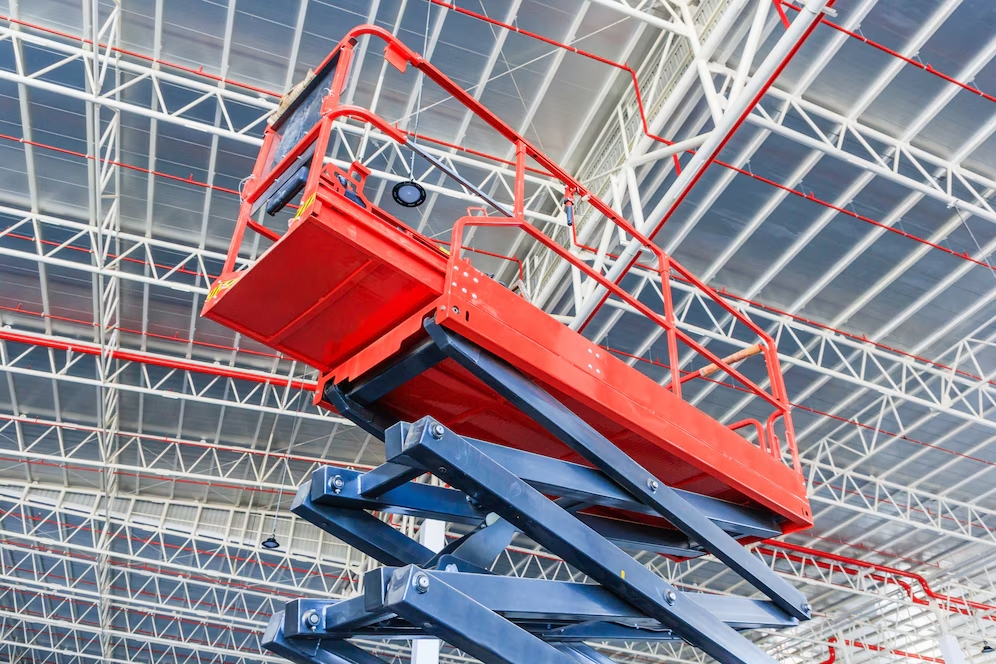
Scissor lifts are designed to raise and lower platforms through a folding support mechanism. Depending on the equipment configuration, they can be used for lifting goods, positioning machinery, transferring materials between floors and supporting selected elevated work activities. Different models are available to accommodate varying load capacities, platform dimensions and lifting heights.
For businesses looking for reliable lifting equipment, Scissor Lift offers standard and customised solutions to meet different industrial and commercial requirements. With a focus on practical lifting applications, the company provides equipment designed to support material handling, production processes and workplace operations.
Understanding Scissor Lift Systems and Their Applications
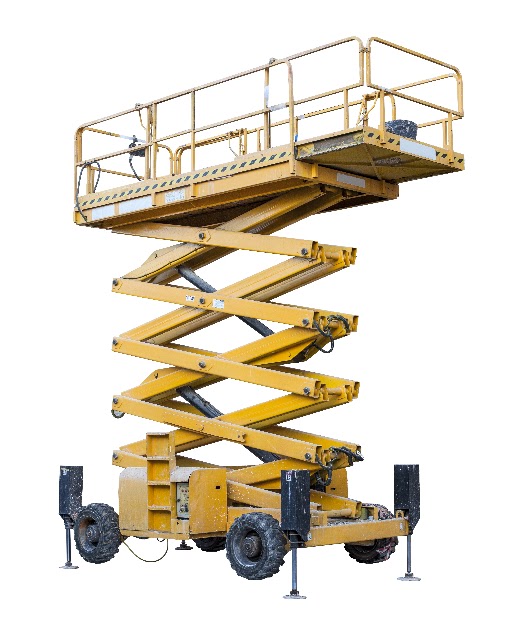
A scissor lift operates through a series of connected support arms that expand and contract to raise or lower a platform. The mechanism provides controlled vertical movement and can be configured for different lifting applications.
A scissor lift machine may be designed as a stationary hydraulic lifting table, a goods lifting platform or a mobile elevated work platform. The correct design depends on the intended use, load requirements, installation conditions and operating environment.
The scissor lift platform provides a stable surface for carrying goods, equipment or authorised personnel, depending on the equipment’s design and intended application. These systems are commonly used in warehouses, factories, workshops, logistics centres and commercial facilities.
Businesses exploring Scissors Lift Singapore options should first understand the different types of equipment and how each design supports specific workplace requirements.
Types of Scissor Lifts for Different Requirements
Scissor lifts are available in several configurations. Selecting the right type helps businesses achieve suitable lifting performance while making effective use of their available space.
Hydraulic Scissor Lifts
Hydraulic scissor lifts use pressurised fluid to operate hydraulic cylinders connected to the lifting mechanism. When pressure is applied, the cylinders extend and move the supporting arms apart, raising the platform. The platform can then be lowered through a controlled hydraulic process.
These systems are commonly used for lifting heavy goods, machinery, industrial components and materials. Hydraulic lifting tables can also be incorporated into production lines, loading areas and warehouse operations.
A hydraulic scissor lift machine can be customised according to the required platform size, lifting height and load capacity. This makes it suitable for businesses with specialised material handling requirements.
Electric Scissor Lifts
An electric scissor lift uses an electric power source to operate its lifting system. Depending on the model, electricity may power a hydraulic pump or another lifting mechanism.
Electric-powered models can be useful in indoor environments where controlled operation and reduced noise are important. Before selecting this type of equipment, businesses should consider the available power supply, operating frequency, lifting requirements and installation environment.
The selected model should always match the intended application and the manufacturer’s operating specifications.
Goods Lifting Platforms
Goods lifting platforms are designed to move materials and products between different working levels. They are particularly useful in warehouses, factories and commercial buildings where goods need to be transferred between floors or positioned at convenient working heights.
A properly designed scissor lift platform can support loading, unloading, packaging and production activities. Platform dimensions, load distribution and access arrangements should be considered during the selection process.
Customised Scissor Lift Systems
Not every business has the same lifting requirements. Some facilities need equipment that fits into restricted spaces, while others require larger platforms or higher load capacities.
Customised scissor lift systems can be designed around the application’s specific requirements. These may include platform dimensions, lifting height, capacity, installation arrangements and operating controls.
For businesses seeking a tailored Scissors Lift Singapore solution, discussing the intended application with an experienced supplier is an important first step.
Important Factors to Consider When Selecting a Scissor Lift
Choosing suitable lifting equipment requires careful consideration of several technical and operational factors. A machine should not be selected based only on its maximum lifting height or advertised capacity.
Scissor Lift Capacity
The scissor lift capacity refers to the maximum load that the equipment is designed to support under specified operating conditions. Depending on the model, this may include goods, machinery, tools or personnel.
Before selecting equipment, businesses should calculate the total expected load and consider how the weight will be distributed across the platform. Uneven loading can affect stability and may create unsafe operating conditions.
It is important to select a model that meets the actual load requirements and never exceed the manufacturer’s stated capacity. Businesses handling heavy machinery or bulky materials should discuss their load specifications with the equipment supplier before confirming a design.
Scissor Lift Dimensions
The scissor lift dimensions determine the space required for installing and operating the equipment. Important measurements include platform length, platform width, overall footprint, closed height and maintenance clearance.
Facilities with narrow aisles, low ceilings or limited installation areas may require compact or customised lifting equipment. Measuring the available space before selecting a model helps ensure that the machine can be installed and operated appropriately.
The dimensions should also accommodate the goods being lifted, allowing sufficient space for safe positioning and loading.
Scissor Lift Height
The required scissor lift height depends on the distance between the starting position and the intended working or transfer level. For goods handling, the platform should reach the required loading or unloading height.
For elevated work platforms, it is important to distinguish between platform height and working height, as these measurements are not necessarily the same. Businesses should confirm the required height with the supplier and refer to the equipment’s technical specifications.
Platform Design and Installation Requirements
The platform design should match the materials, machinery or activities it will support. Larger platforms may be suitable for bulky goods, while compact designs may work better in restricted areas.
Businesses should also consider the loading direction, access arrangements, surrounding structures and floor conditions. Additional features such as safety barriers, gates and control arrangements should be selected according to the intended application and equipment design.
Scissor Lift Manufacturing and Supply in Singapore
Finding a reliable scissor lift supplier in Singapore is important when investing in lifting equipment for regular business operations. The supplier should understand the application and be able to recommend an appropriate design based on the required load, height, dimensions and working environment.
Businesses researching different scissor lift manufacturers should compare their product capabilities, customisation options, technical specifications and after-sales support. It is also useful to review the supplier’s experience in handling industrial and commercial lifting requirements.
Scissor Lift focuses on manufacturing and supplying lifting solutions for different applications. Its product range includes standard and customised lifting equipment intended to support goods handling, machinery movement and other workplace requirements.
When evaluating a supplier, businesses should request relevant technical information, operating instructions and details about maintenance support. These details help ensure that the selected equipment is suitable for the intended application.
Some buyers may also compare options such as a Galmon scissor lift when researching equipment providers in Singapore. Regardless of the brand being considered, the most important factors are the machine’s suitability, technical specifications, operating requirements and available support.
Scissor Lift Rental and Equipment Selection
Businesses may choose to purchase or rent lifting equipment depending on how frequently it is required. Purchasing may be appropriate when a lifting platform is part of regular warehouse, manufacturing or production operations. It can also provide greater flexibility when a customised installation is required.
Rental arrangements may be useful for temporary projects, maintenance activities or short-term lifting requirements. Businesses exploring scissor lift rental Singapore options should first identify the type of equipment required, the expected load, platform height and working environment.
Before arranging scissor lift rental near me, check whether the available machine is suitable for the intended application. The equipment’s condition, specifications, delivery arrangements and operating requirements should all be considered.
Businesses comparing scissor lift rental Singapore price options should look beyond the quoted rental amount and confirm what is included in the arrangement. The equipment type, rental duration, delivery and collection arrangements may influence the overall quotation.
For businesses considering a long-term purchase, researching the scissor lift price in Singapore can help with planning and equipment selection. The final quotation will depend on factors such as lifting capacity, platform dimensions, lifting height, design and customisation requirements.
Scissor Lift Safety Rules for Workplace Operations
Safety is essential whenever lifting equipment is used in a workplace. Operators and other employees should understand the equipment’s operating instructions, limitations and potential hazards before using it.
Following appropriate scissor lift safety rules helps reduce the risk of falls, collisions, overturning and equipment damage. Businesses should establish safe operating procedures based on the equipment type, workplace conditions and applicable Singapore requirements.
Important safety practices include:
- Inspect the equipment before use: Check the platform, lifting mechanism, controls, hydraulic system and safety devices according to the manufacturer’s instructions.
- Use trained and authorised operators: Only personnel with appropriate training and authorisation should operate the equipment.
- Check the working area: Ensure the floor is stable and suitable, and remove obstructions that could affect safe operation.
- Avoid overloading: Keep the load within the rated capacity and distribute materials as instructed.
- Maintain sufficient clearance: Check for overhead structures, electrical hazards, nearby machinery and other obstructions.
- Use safety devices correctly: Do not bypass, disable or remove safety interlocks and protective equipment.
- Follow operating instructions: Raise, lower and move the platform according to the manufacturer’s procedures.
- Report equipment defects: Stop using the machine if a fault or abnormal operating condition is identified, and arrange for appropriate inspection and repair.
Additional precautions may apply to mobile elevated work platforms used for personnel access. These can include site-specific risk assessments, safe travel routes, suitable personal protective equipment and other measures based on the working environment.
Businesses should also confirm the applicable inspection, examination and certification requirements for their specific equipment classification and application. These requirements should be checked with the relevant authorities and competent professionals.
Customised Scissor Lift Solutions for Industrial Applications
Standard lifting equipment may not meet the requirements of every industrial facility. Some businesses handle unusually heavy materials, while others have limited installation space or specialised production processes. Customised lifting equipment can help address these requirements.
A customised Scissors Lift Singapore solution can be developed according to the required platform size, lifting height, load capacity and installation conditions. The design may also incorporate specific operating controls and safety features to support the intended application.
For example, a manufacturing facility may require a lifting table to position heavy components at a particular workstation. A warehouse may need a goods lifting platform to transfer products between floors. A commercial facility may require a specialised platform that fits within a restricted installation area.
Before designing a customised system, the supplier should understand the load characteristics, operating frequency, available space and required lifting movement. Providing accurate technical information helps ensure that the proposed equipment is suitable for its intended purpose.
Maintenance and After-Sales Support
Regular maintenance helps keep lifting equipment in suitable working condition and supports reliable daily operations. Maintenance requirements vary according to the equipment design, frequency of use and manufacturer’s recommendations.
Hydraulic systems should be checked for leaks, damaged hoses and abnormal operation. Electrical components, switches and control panels should be inspected for signs of wear or malfunction. Supporting arms, pins, platform structures and other mechanical components should also be checked according to the manufacturer’s maintenance instructions.
Businesses using a scissor lift machine should maintain appropriate service records and arrange inspections by qualified personnel. Any defective equipment should be taken out of service until the necessary checks and repairs have been completed.
Reliable after-sales support is also important when selecting lifting equipment. Access to servicing guidance and technical assistance can help businesses manage equipment requirements and maintain continuity in their operations.
Choose the Right Scissor Lift for Your Business
Selecting suitable lifting equipment can improve material handling, support workplace productivity and make industrial operations more efficient. From hydraulic lifting tables and goods platforms to customised systems for specialised applications, the right solution should match the business’s load requirements, available space and intended use.
Scissor Lift provides standard and customised lifting solutions for businesses in Singapore. Whether you require a goods lifting platform, a hydraulic scissor lift or equipment designed around a specific industrial application, understanding your technical requirements is the first step towards selecting a suitable system.
Contact Scissor Lift today to discuss your lifting requirements and explore suitable solutions for your business.