

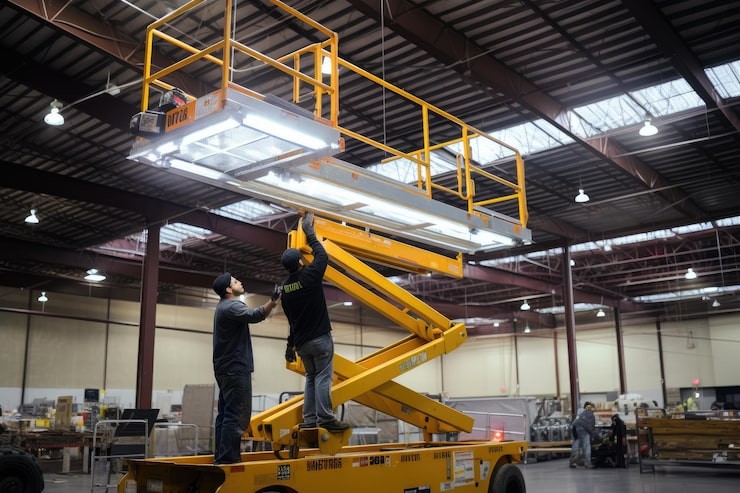
Moving heavy goods, machinery, and equipment between different working levels is a common requirement in warehouses, manufacturing facilities, and commercial buildings. Businesses need reliable lifting equipment to manage these activities efficiently and maintain an organised working environment. When materials are heavy or difficult to handle manually, suitable lifting systems can make everyday operations more manageable.
Scissor lifts provide a practical solution for vertical material movement. Their design uses interconnected metal supports that extend and contract to raise or lower a platform. Depending on the application, these lifts can be installed in production areas, incorporated into warehouse handling systems, or used as independent lifting stations.
Businesses searching for Scissor Lift Manufacturers in Singapore need equipment that matches their operational requirements. Factors such as load capacity, lifting height, platform dimensions, and installation space all influence equipment selection. Scissors Lift provides standard and customised lifting solutions for different industrial and commercial applications.
With more than 20 years of manufacturing experience, the company offers equipment designed to support the handling of goods, machinery, heavy objects, and other materials. Understanding how scissor lifts work and where they can be used helps businesses make informed decisions when planning their material handling requirements.
Understanding Scissor Lifts and How They Work
A scissor lift is a mechanical lifting platform that uses interconnected metal supports arranged in a crossing pattern. These supports open and close to move the platform vertically. This arrangement provides a practical solution for applications requiring materials to be raised or lowered between different working levels.
Many industrial scissor lifts operate through hydraulic systems. Hydraulic pressure moves the cylinders connected to the supporting structure, allowing the platform to rise or descend.
The main components generally include:
- Lifting platform: The surface where goods, machinery, or other permitted loads are positioned.
- Scissor mechanism: Connected metal supports responsible for vertical movement.
- Hydraulic cylinders: Components that generate the force required to extend the lifting mechanism.
- Hydraulic pump: Supplies pressurised fluid to operate the system.
- Control system: Allows authorised operators to manage lifting and lowering movements.
- Safety components: Features designed to support controlled equipment operation.
Each component must be selected according to the intended application. A platform designed for light material handling will have different specifications from equipment used to lift heavy machinery.
When exploring Scissors Lift Singapore solutions, businesses should consider how the equipment’s design and technical specifications relate to their daily operations.
Industrial Applications of Scissor Lifts
Scissor lifts are used across several industries because they provide a convenient way to move materials vertically. Their applications can be adapted to different workplace layouts and production requirements.
Warehouse and Distribution Facilities
Warehouses regularly handle pallets, cartons, packaged goods, and bulky materials that need to be positioned at different heights. Repeated lifting and transferring can become demanding, particularly when workers handle heavy or awkwardly shaped items.
A suitable scissor lift can raise goods to a convenient working level, supporting loading, unloading, sorting, and transferring activities. When incorporated into a warehouse handling arrangement, the equipment can help connect different stages of material movement.
Platform dimensions and lifting capacity should match the types of goods being handled to ensure that materials remain within the equipment’s specified operating limits.
Manufacturing and Production Facilities
Manufacturing operations often involve moving components between assembly stations, machinery, and production areas. Scissor lifts can position materials at the required height, making them easier to access during different production stages.
For example, a lifting platform may be installed beside an assembly station to raise machine components or heavy materials to a suitable working level. This can reduce unnecessary manual repositioning and support an organised production process.
Businesses comparing Scissor Lift Manufacturers Singapore should consider whether the equipment can be designed around their existing machinery and production layout.
Commercial Buildings and Engineering Workshops
Commercial and industrial buildings may require lifting equipment for moving machinery, maintenance materials, and heavy objects between designated levels.
Engineering workshops also handle metal components, machinery parts, and equipment that require careful positioning during assembly or maintenance. A suitably designed scissor lift can provide a stable platform for handling permitted loads within its specified capacity.
Different Types of Scissor Lift Equipment
Scissor lifts are available in several configurations, each designed to accommodate particular lifting requirements.
Single-Stage Scissor Lifts
Single-stage scissor lifts use one set of interconnected supporting mechanisms to raise and lower the platform. They are suitable for applications where the required lifting range can be achieved through a single-stage design.
These lifts can be used in production facilities, workshops, and material handling stations where goods need to be raised to a specific working height.
Two-Stage and Multiple-Stage Scissor Lifts
Some applications require greater vertical movement than a single-stage mechanism can provide. Two-stage and multiple-stage scissor lifts use additional supporting sections to achieve the required lifting height.
The final configuration depends on platform dimensions, expected load, available space, and the required lifting range.
Hydraulic Scissor Lifts
Hydraulic scissor lifts use pressurised fluid to operate the lifting mechanism. The hydraulic cylinders extend under pressure, moving the connected supports and raising the platform. The hydraulic system also controls the platform’s lowering movement.
Cylinders, hoses, seals, pumps, and control valves must be selected according to the equipment’s technical requirements. Properly specified components help support consistent operation and lifting performance.
Portable Scissor Lifts
Portable scissor lifts are designed for applications where equipment needs to move between designated working areas. Depending on the model, these units may be suitable for smaller material handling tasks or temporary lifting requirements.
Some compact models operate through a foot pump rather than a powered hydraulic arrangement. Their lifting capacity and operating range should always be checked before use.
Important Factors to Consider When Selecting a Scissor Lift
Selecting suitable lifting equipment requires an understanding of the workplace, materials, and operating conditions. The following factors help businesses identify an appropriate model.
Load Capacity
The equipment must be capable of supporting the combined weight of the materials being lifted within its rated capacity. Businesses should consider the heaviest items they expect to handle, along with their dimensions and weight distribution.
Materials should remain within the manufacturer’s specified load limits and be positioned correctly to avoid uneven loading.
Required Lifting Height
The required lifting height depends on the distance between the loading position and the intended working level. Measuring these points before selecting lifting equipment helps establish the appropriate lifting range.
Businesses should also consider the space required beneath the platform and around the lifting mechanism.
Platform Dimensions
Platform size affects how easily materials can be positioned and handled. The surface should accommodate the goods or equipment being lifted while allowing them to be arranged correctly.
A platform that is too small may restrict bulky materials, while an unnecessarily large platform may create installation difficulties.
Installation Space and Operating Frequency
The available installation area can influence the design of a scissor lift. Businesses should assess surrounding machinery, floor conditions, door openings, and access arrangements before finalising equipment specifications.
The frequency of use is also important. A lifting platform used repeatedly throughout a production shift may have different requirements from one used occasionally for maintenance or material transfer.
The Importance of Custom Scissor Lift Manufacturing
Standard lifting equipment can accommodate many common applications. However, some facilities have specific requirements that make customised manufacturing a more suitable option.
For example, a warehouse may need a lifting platform that fits within a restricted installation area. A manufacturing facility may require particular platform dimensions to accommodate machinery components. Other applications may involve heavier loads or a specific lifting height that cannot be achieved through a standard configuration.
Custom manufacturing allows equipment to be developed around these requirements rather than forcing businesses to adapt their operations to an unsuitable model.
Experienced Scissor Lift Manufacturers Singapore can assess the intended application and use the available technical information to determine an appropriate design.
At Scissors Lift, standard and customised lifting equipment is available for different industrial requirements. The manufacturing process can take into consideration:
- Maximum load capacity and expected material weight.
- Platform dimensions and structural requirements.
- Required lifting height and operating range.
- Hydraulic cylinder and pump specifications.
- Available installation and access space.
- Intended frequency of operation.
- Relevant workplace safety requirements.
These details help establish equipment specifications before manufacturing begins. Clear communication about the intended application also helps ensure that the final lifting arrangement suits the workplace.
Workplace Safety and Proper Installation
Safety is an essential part of operating any industrial lifting system. Scissor lifts handle heavy materials and rely on mechanical and hydraulic components, making proper installation, inspection, and operation important.
The equipment should be installed according to its design specifications and on a suitable supporting surface. The surrounding area should provide enough clearance for the platform and lifting mechanism to move without obstruction.
Important safety considerations include:
Respecting load limits: Materials should remain within the specified working capacity and be positioned appropriately to avoid uneven weight distribution.
Inspecting hydraulic components: Cylinders, hoses, seals, and connections should be checked for leakage, damage, or unusual operating conditions.
Checking the lifting mechanism: Supporting arms, joints, and other mechanical components should be inspected for signs of wear or damage.
Maintaining clear operating areas: Platform movement should not be obstructed by nearby machinery or stored materials.
Following maintenance schedules: Equipment should be inspected and serviced according to the manufacturer’s recommendations.
In Singapore, businesses should also consider applicable Ministry of Manpower (MOM) workplace safety requirements and relevant regulations when selecting and installing lifting equipment.
Scissors Lift states that its equipment must adhere to applicable workplace safety requirements and that a Safety Certificate is provided. Businesses should confirm the relevant documentation for their particular equipment and installation.
Maintenance and After-Sales Support
Regular maintenance helps keep lifting equipment in suitable working condition and allows potential problems to be identified before they develop into more serious issues.
Hydraulic systems require attention because their performance depends on several connected components. Fluid leakage, damaged hoses, worn seals, and changes in lifting movement can indicate that inspection or servicing is needed.
Mechanical components should also be checked periodically. Supporting arms, joints, and platform connections must remain in suitable condition for the equipment to operate as intended.
After-sales support is valuable when businesses need assistance with equipment maintenance, technical concerns, or replacement components. Access to knowledgeable support can also help operators understand the correct procedures for maintaining their lifting systems.
Scissors Lift has more than 20 years of manufacturing experience and reports providing after-sales service for approximately 200 installations in Singapore. This ongoing involvement highlights the importance of supporting lifting equipment throughout its working life.
Businesses should maintain appropriate inspection and servicing records and arrange technical attention whenever unusual equipment behaviour is identified.
When to Buy Scissor Lift Equipment for Your Business
Businesses may consider purchasing a scissor lift when their regular activities involve repeated vertical movement of materials, machinery, or other heavy objects.
A manufacturing facility may need to position components at different production stages, while a warehouse may require a dedicated platform for transferring goods between working levels. Engineering workshops may also benefit from equipment designed around their specific material handling tasks.
Before deciding to Buy Scissors Lift equipment, businesses should identify the operational requirements they want the equipment to address. This includes understanding how frequently materials need to be lifted, what types of loads are involved, and where the equipment will be installed.
It is also important to consider how the lifting platform will fit into existing workplace arrangements. A properly selected system should support the workflow without creating unnecessary access or movement restrictions.
When planning to Buy Scissors Lift equipment, businesses should provide the manufacturer with accurate details about their intended application. This makes it easier to assess the required lifting capacity, platform dimensions, operating mechanism, and installation arrangements.
Working with Experienced Scissor Lift Manufacturers Singapore
Manufacturing industrial lifting equipment involves more than assembling a platform and lifting mechanism. The design must account for structural requirements, hydraulic operation, load capacity, and the conditions in which the equipment will be used.
Businesses evaluating Scissor Lift Manufacturers Singapore should consider manufacturing experience, customisation capabilities, product specifications, and technical support.
Scissors Lift has been involved in manufacturing scissor lifts, also known as table lifts, platform lifts, and hydraulic lifts, for more than 20 years. Its equipment supports applications involving goods, machinery, heavy objects, and designated work platforms.
The company’s range includes single-stage, two-stage, and multiple-stage lifting arrangements. According to its published information, certain equipment configurations can accommodate capacities of 50 tonnes or more, while smaller foot-pump-operated portable units are also available.
This range allows businesses with different operational requirements to discuss suitable lifting arrangements. Standard models can accommodate established applications, while customised equipment can address specific dimensions, lifting heights, and installation conditions.
When exploring Scissors Lift Singapore solutions, businesses should communicate their requirements clearly and review the proposed specifications before proceeding with equipment selection.
Finding the Right Lifting Solution for Your Workplace
Every industrial and commercial facility has different material handling requirements. The equipment needed in a warehouse may not be suitable for a manufacturing facility or an engineering workshop. Understanding the intended application is therefore essential when selecting a lifting system.
Businesses planning to Buy Scissors Lift equipment should assess load capacity, lifting height, platform dimensions, installation space, and expected operating frequency. These factors help determine whether a standard model or a customised arrangement is more appropriate.
Working with experienced Scissor Lift Manufacturers Singapore also makes it easier to discuss technical requirements and identify equipment suited to the workplace.
Scissors Lift provides standard and customised lifting solutions for different material handling applications. With more than two decades of manufacturing experience and after-sales support for installations in Singapore, the company offers equipment for businesses with varied lifting requirements.
If your facility requires a hydraulic lifting platform, goods handling equipment, or a customised scissor table lift, Contact Scissors Lift to discuss your application and explore a suitable solution for your workplace.
