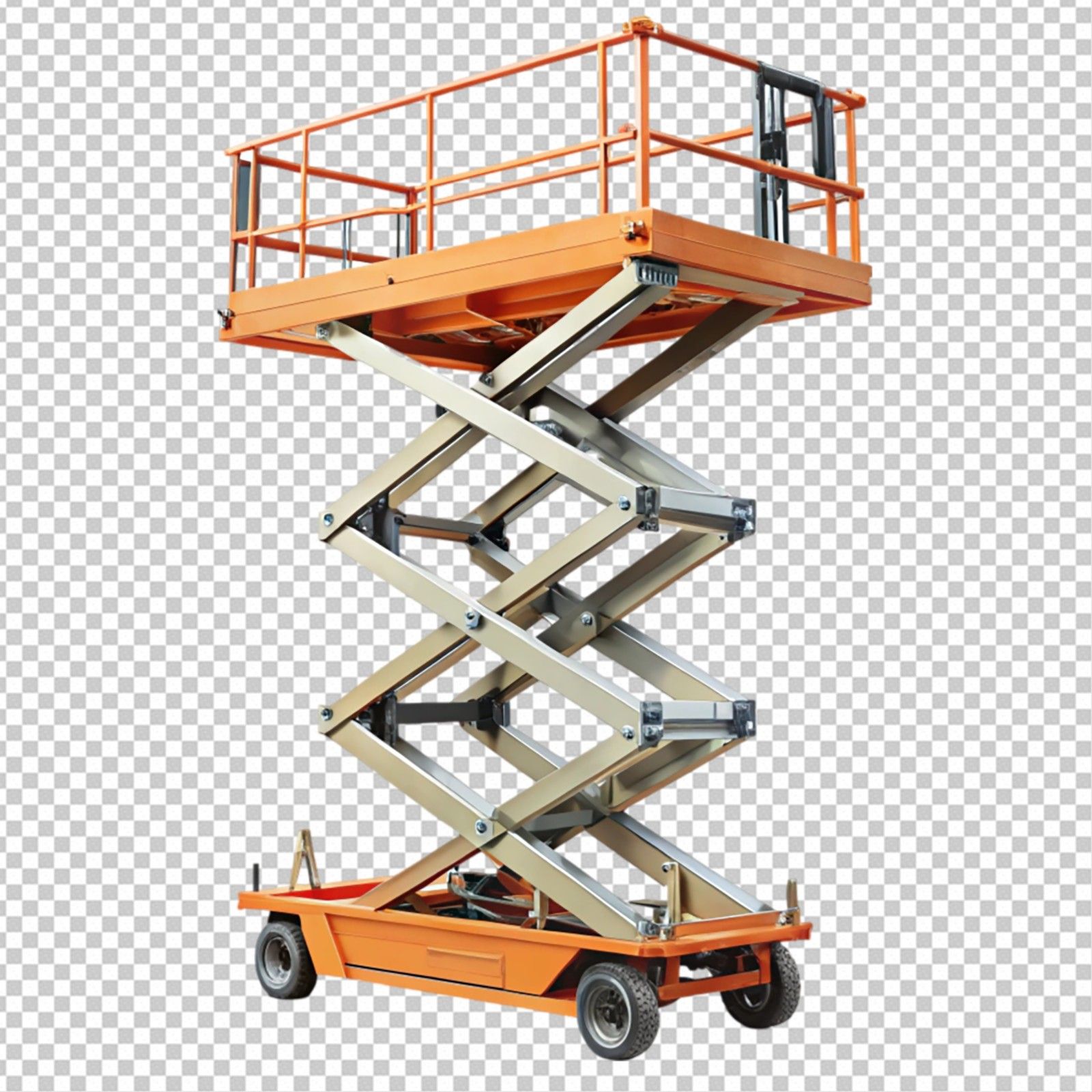

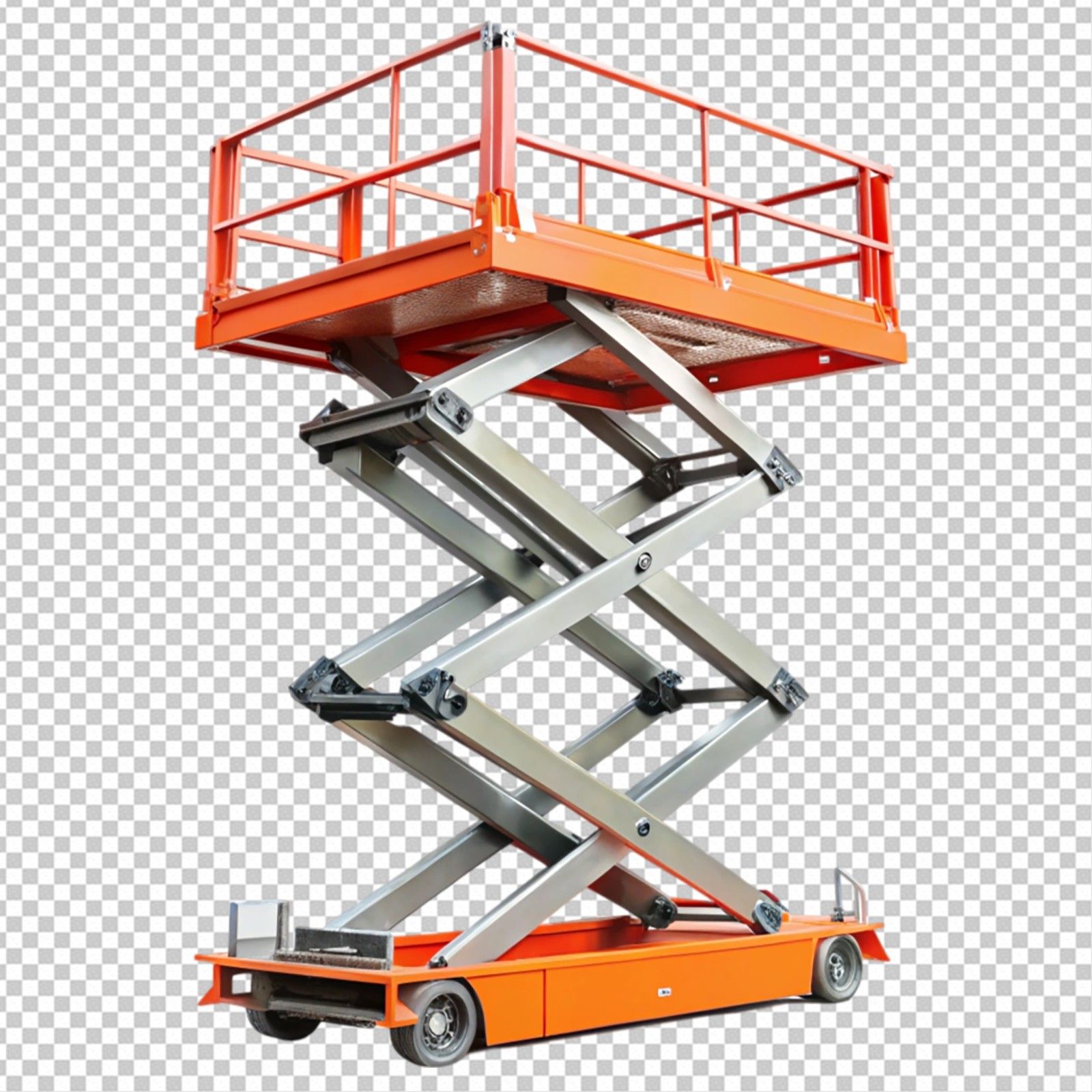
Working at height is an essential part of many industries, from construction and warehousing to manufacturing, facility management, and commercial maintenance. The right equipment not only improves productivity but also ensures employee safety and operational efficiency. If your business regularly performs elevated tasks, deciding to buy scissors lift equipment can be a smart long-term investment.
Unlike ladders or scaffolding, a scissor lift provides a stable working platform, greater load capacity, and enhanced safety for workers performing tasks at height. However, choosing the right model requires careful consideration of your work environment, lifting requirements, and future business needs.
At Scissors Lift Singapore, we understand that every business has unique operational requirements. This guide will help you make an informed decision when looking to buy scissors lift equipment in Singapore.
Why Businesses Choose to Buy Scissors Lift Equipment
Many businesses begin by renting lifting equipment, but as projects become more frequent, ownership often becomes the more economical choice. Purchasing your own scissor lift gives your team immediate access to equipment whenever it’s needed, eliminating the delays and recurring expenses associated with rentals.
Owning a scissor lift also allows operators to become familiar with the machine, improving efficiency and reducing the learning curve that often comes with using different rental units. Over time, this consistency contributes to safer operations and lower operating costs.
For companies with ongoing maintenance schedules, warehouse operations, or construction projects, buying a scissor lift is an investment that quickly pays for itself through increased productivity and reduced downtime.
Understanding Your Business Requirements
Before choosing a scissor lift, it’s important to evaluate how and where it will be used. Every workplace presents different challenges, and selecting equipment without considering these factors can result in unnecessary costs or reduced efficiency.
Start by asking yourself a few important questions.
- How high do employees need to work?
- Will the lift be used indoors or outdoors?
- How much weight will it need to support?
- Will the lift be used daily or occasionally?
- Does the workplace have narrow aisles or limited space?
The answers to these questions will help determine the ideal scissor lift for your business.
Choosing the Right Working Height
Working height is one of the most important considerations when you buy scissors lift equipment. Many buyers focus only on platform height, but the actual working height includes the operator’s reach above the platform.
Selecting a lift with insufficient height may prevent workers from completing tasks safely, while purchasing a much larger machine than necessary can increase costs without providing additional value.
Businesses involved in warehouse management may only require compact lifts with lower working heights, while construction companies often need models capable of reaching much higher elevations.
Choosing equipment that matches both your current and future projects helps maximize your investment.
Consider the Load Capacity
Every scissor lift is designed to support a specific weight capacity. This includes workers, tools, equipment, and materials carried onto the platform.
For routine maintenance, a standard electric scissor lift may provide sufficient capacity for one or two technicians with their equipment. However, industrial applications involving heavy materials or multiple workers often require higher-capacity models.
Purchasing equipment with the correct load rating ensures safe operation while preventing unnecessary strain on the lifting mechanism.
Indoor vs Outdoor Scissor Lifts
The working environment plays a significant role in selecting the right equipment.
If your operations take place inside warehouses, shopping malls, hospitals, office buildings, or manufacturing facilities, an electric scissor lift is usually the best option. Electric models operate quietly, produce zero emissions, and are compact enough to maneuver through confined indoor spaces.
Outdoor environments, on the other hand, often require machines designed for rough terrain. Construction sites and industrial facilities typically involve uneven ground, slopes, and challenging weather conditions. In these situations, rough terrain scissor lifts with larger tires and stronger drive systems provide greater stability and reliability.
Understanding where your equipment will spend most of its time is essential before making a purchase.
Selecting the Right Power Source
Modern scissor lifts are available with different power systems, each designed for specific applications.
Electric scissor lifts have become increasingly popular because they are environmentally friendly, require less maintenance, and are ideal for indoor work environments where noise and emissions must be kept to a minimum.
Hydraulic scissor lifts are widely used in manufacturing plants and heavy-duty industrial environments where lifting performance and durability are top priorities.
For businesses looking to reduce operating costs while maintaining reliable performance, battery-powered electric models provide an excellent balance of efficiency and convenience.
Choosing the right power source should always align with your daily operational requirements rather than simply focusing on purchase price.
Platform Size and Workspace Efficiency
The size of the working platform directly affects employee productivity.
A larger platform allows workers to carry more tools and equipment while providing additional working space for maintenance or installation tasks. This is particularly beneficial for projects involving multiple technicians.
However, businesses operating in warehouses with narrow aisles or facilities with limited access may benefit more from compact scissor lifts that offer greater maneuverability without sacrificing lifting performance.
Finding the right balance between platform size and accessibility ensures smoother day-to-day operations.
Safety Should Never Be Overlooked
Safety is one of the biggest reasons businesses decide to buy scissors lift equipment instead of relying on traditional access methods.
Modern scissor lifts incorporate advanced safety systems that help protect both operators and surrounding workers. Features such as emergency stop controls, guardrails, overload protection, tilt sensors, non-slip platforms, and automatic braking systems significantly reduce workplace risks.
However, safety extends beyond the equipment itself. Proper operator training, routine inspections, and scheduled maintenance are equally important for ensuring safe performance throughout the machine’s lifespan.
Investing in quality equipment from a trusted supplier provides peace of mind while helping businesses meet workplace safety standards.
Maintenance and Long-Term Value
Like any industrial equipment, a scissor lift performs best when maintained regularly.
Routine inspections of hydraulic components, batteries, tires, electrical systems, and structural parts help identify potential issues before they become expensive repairs. Preventive maintenance also extends the service life of the equipment and minimizes unexpected downtime.
When comparing suppliers, businesses should consider more than just the purchase price. Reliable after-sales support, access to spare parts, and professional servicing are all valuable factors that contribute to long-term ownership satisfaction.
A supplier that offers ongoing technical support can save significant time and money over the life of the equipment.
Common Mistakes to Avoid When You Buy Scissors Lift Equipment
Many businesses make purchasing decisions based solely on price, only to discover later that the equipment doesn’t meet their operational needs.
Another common mistake is underestimating future business growth. Purchasing a lift that only satisfies today’s requirements may result in needing another machine within a few years.
Ignoring maintenance support, warranty coverage, or equipment quality can also lead to higher ownership costs over time.
Instead of focusing only on the initial investment, businesses should evaluate the total value the equipment will provide throughout its working life.
Why Choose Scissors Lift Singapore?
Choosing the right supplier is just as important as choosing the right equipment.
At Scissors Lift Singapore, we provide high-quality lifting solutions designed to meet the needs of businesses across a wide range of industries. Our experienced team works closely with customers to understand their operational requirements before recommending the most suitable scissor lift.
From compact electric lifts for indoor maintenance to heavy-duty hydraulic models for industrial applications, we offer reliable equipment backed by professional consultation, dependable after-sales support, and responsive maintenance services.
Our goal is to help businesses improve workplace safety, increase productivity, and maximize the return on their investment.
Conclusion
When you decide to buy scissors lift equipment, you’re making an investment that directly impacts your company’s productivity, safety, and operational efficiency. The right machine should match your working height requirements, load capacity, operating environment, and long-term business goals rather than simply offering the lowest purchase price.
By working with an experienced supplier like Scissors Lift Singapore, you gain access to expert guidance, quality lifting equipment, and ongoing support that helps your business operate safely and efficiently for years to come. Whether you’re expanding your warehouse, managing construction projects, or improving facility maintenance operations, choosing the right scissor lift today will provide lasting value for your business tomorrow.