

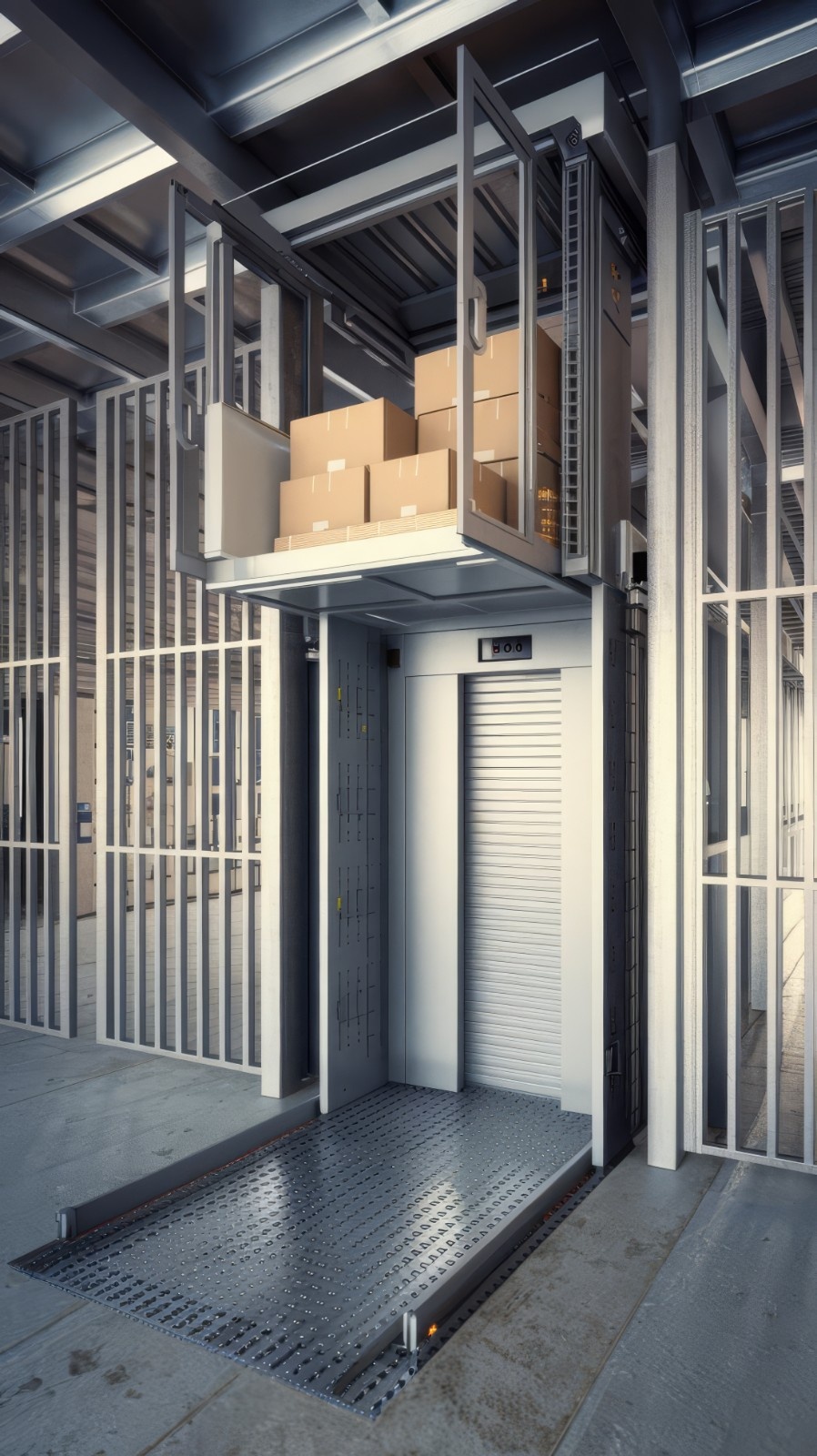
In today’s fast-moving industrial and commercial sectors, efficient material handling plays a major role in productivity and workplace safety. Businesses across warehouses, factories, retail buildings, and logistics hubs rely on advanced lifting systems to move heavy goods quickly and securely between floors. This is why the demand for Goods Lifts in Singapore continues to grow across multiple industries.
A modern goods lift is designed to transport materials, equipment, and inventory efficiently while minimizing manual labor and reducing operational downtime. From compact retail operations to large industrial facilities, businesses are increasingly investing in reliable lifting systems to improve workflow and support daily operations.
What Is a Goods Lift and How Does It Work?
A goods lift is a mechanical lifting system used for transporting heavy goods vertically between different floor levels. Unlike passenger elevators, these lifts are specifically engineered for cargo movement and are built with stronger load-bearing structures.
A typical goods lifting machine operates through hydraulic, traction, or motor-driven systems that lift platforms or enclosed cabins carrying goods. These systems are widely used in factories, warehouses, shopping centers, and industrial buildings where frequent movement of materials is required.
The design of a Goods Lift Singapore solution depends on several operational factors, including weight capacity, building structure, floor height, and daily usage frequency. Businesses often choose systems that align with their workflow requirements to maximize efficiency and workplace safety.
Common Types of Goods Lifts Used in Singapore
Different industries require different lifting solutions. As a result, several types of lifts are commonly used across Singapore’s industrial and commercial sectors.
Hydraulic Goods Lift: A hydraulic goods lift uses hydraulic pressure to move the platform vertically. These lifts are popular because of their smooth operation, durability, and ability to handle heavy loads efficiently. Hydraulic systems are often preferred in warehouses and manufacturing facilities where reliability is essential.
Platform Goods Lift: A platform goods lift is commonly used for transporting pallets, machinery, and inventory between levels. These lifts are ideal for facilities that need open-platform loading and unloading for quick material handling.
Industrial Goods Lift: An industrial goods lift is specifically designed for heavy-duty environments. These lifts are built with reinforced structures and advanced safety features to support continuous industrial operations.
Warehouse Goods Lift: A warehouse goods lift improves inventory movement within storage facilities and distribution centers. These lifts help businesses streamline logistics operations while reducing manual handling risks.
Benefits of Industrial and Warehouse Goods Lift Systems
Businesses across Singapore benefit significantly from installing professional lifting systems. Whether operating in logistics, manufacturing, or retail, a properly designed lift system can improve overall efficiency.
Improved Productivity: A goods lift speeds up material movement between floors, reducing delays and allowing employees to focus on operational tasks rather than manual lifting.
Enhanced Workplace Safety: Heavy lifting can increase the risk of workplace injuries. A properly installed goods lifting machine minimizes manual handling and creates a safer work environment.
Better Space Utilization: Businesses in Singapore often operate within limited industrial spaces. Vertical lifting systems allow companies to optimize storage areas and improve floor organization.
Reduced Operational Downtime: Reliable lifting systems help businesses maintain smooth operations by enabling quick transportation of materials and equipment throughout the facility.
Importance of Choosing the Right Goods Lift Size
Selecting the correct goods lift size is one of the most important factors when installing a lifting system. The lift size directly impacts operational efficiency, load management, and safety.
Businesses must consider several factors before selecting a lift size, including:
- Weight capacity requirements
- Dimensions of transported goods
- Number of daily operations
- Available installation space
- Building structure and floor height
A lift that is too small may slow operations and create loading difficulties, while an oversized lift may increase energy consumption and installation complexity. Choosing the right lift dimensions ensures smoother workflow and long-term operational efficiency.
Hydraulic Goods Lift Solutions for Modern Businesses
The popularity of the hydraulic goods lift continues to rise because of its efficiency and versatility. Hydraulic systems are suitable for a wide range of commercial and industrial applications.
These lifts offer several advantages, including:
- Smooth lifting performance
- Strong load-handling capability
- Lower maintenance requirements
- Reliable operation in heavy-duty environments
- Space-efficient installation options
Hydraulic lifts are commonly installed in warehouses, factories, retail facilities, and industrial plants where heavy materials need frequent transportation between levels.
Modern hydraulic systems are also equipped with advanced safety mechanisms, including overload protection, emergency stop systems, and controlled descent features to improve operational security.
Customized Goods Lift Options for Different Industries
Every business has unique operational needs, which is why many companies invest in a Customized goods Lift solution. Customization allows businesses to design lift systems that match their exact workflow requirements.
Customized lift solutions may include:
- Specific platform dimensions
- Higher load capacities
- Custom cabin structures
- Specialized safety features
- Multi-level access systems
- Weather-resistant materials for industrial environments
For example, manufacturing facilities may require heavy-duty industrial lifts for machinery movement, while retail warehouses may prioritize faster loading and unloading capabilities.
A customized solution also helps businesses maximize available space and integrate lifting systems more effectively within existing building structures.
Safety and Maintenance Considerations
Safety is one of the most important aspects of operating a goods lift system. Businesses should ensure that all lift installations comply with local industrial safety standards and maintenance requirements.
Important safety features include:
- Emergency stop controls
- Overload protection systems
- Safety locks and sensors
- Non-slip platforms
- Controlled lifting speed
- Backup lowering systems
Routine maintenance is equally important for maintaining lift performance and preventing operational interruptions. Regular inspections help identify wear and tear before it develops into costly repairs or safety hazards.
Professional servicing ensures that hydraulic systems, electrical components, and lifting mechanisms continue operating efficiently over time.
The Growing Demand for Goods Lift Manufacturers in Singapore
As industries continue to expand, the demand for experienced goods lift manufacturers in Singapore has increased significantly. Businesses are seeking durable, efficient, and technologically advanced lifting systems that can support modern operational demands.
Manufacturers today focus on developing solutions that offer:
- Higher energy efficiency
- Improved safety systems
- Faster lifting speeds
- Greater load capacities
- Long-term durability
Industrial growth, warehouse expansion, and increasing logistics activity have all contributed to the growing need for high-performance goods lift systems throughout Singapore.
Companies now prioritize lift solutions that can improve productivity while supporting safe and reliable daily operations.
Role of Goods Lifting Machines in Improving Workflow
A professionally designed goods lifting machine can transform operational efficiency in industrial environments. These systems reduce manual transportation time, improve workflow consistency, and support better inventory management.
Warehouses benefit from faster product movement, while factories improve internal logistics by transporting raw materials and finished goods more efficiently.
Businesses that install advanced lifting systems often experience:
- Faster operational processes
- Reduced labor strain
- Improved material handling accuracy
- Better organization of goods
- Increased workplace efficiency
As industrial operations become more advanced, the role of automated and hydraulic lifting systems will continue to grow across commercial sectors.
Understanding Weight Lifting Search Terms
Some online searches, such as “is lifting weights good for you” and “is weight lifting good,” are commonly associated with physical fitness and exercise rather than industrial equipment. However, in the industrial sector, lifting systems are focused on transporting heavy goods safely and efficiently within commercial environments.
While the terminology may overlap in search engines, industrial goods lifts are specialized mechanical systems designed for material handling and operational productivity.
Businesses across Singapore continue to invest in reliable lifting solutions to support warehouse operations, manufacturing processes, and commercial logistics. Companies such as Scissors Lift provide advanced lifting systems tailored to meet industrial requirements while improving workplace efficiency and safety standards.
The demand for efficient Goods Lift Singapore solutions continues to rise as businesses prioritize productivity, safety, and streamlined operations. From warehouse goods lift systems to advanced industrial goods lift installations, modern lifting technology plays an essential role in supporting commercial growth.
By selecting the right goods lift size, investing in reliable hydraulic systems, and implementing customized lifting solutions, businesses can improve operational performance while creating safer working environments. As industries evolve, professional goods lift systems will remain an important part of efficient material handling and industrial success.
