
Working at height is a common requirement across industries such as construction, warehousing, maintenance, and logistics. Ensuring safety and efficiency in these environments is critical, which is why many businesses are choosing to Buy Scissors Lift equipment as a reliable solution. A scissor lift offers a stable platform for workers and tools, making elevated tasks easier and more secure compared to traditional ladders or scaffolding.
As industries continue to prioritize productivity and workplace safety, the demand for scissor lift systems has grown significantly. Whether you are handling indoor maintenance or large-scale outdoor projects, investing in the right lifting equipment can make a noticeable difference in performance and risk reduction.
What Is a Scissor Lift?
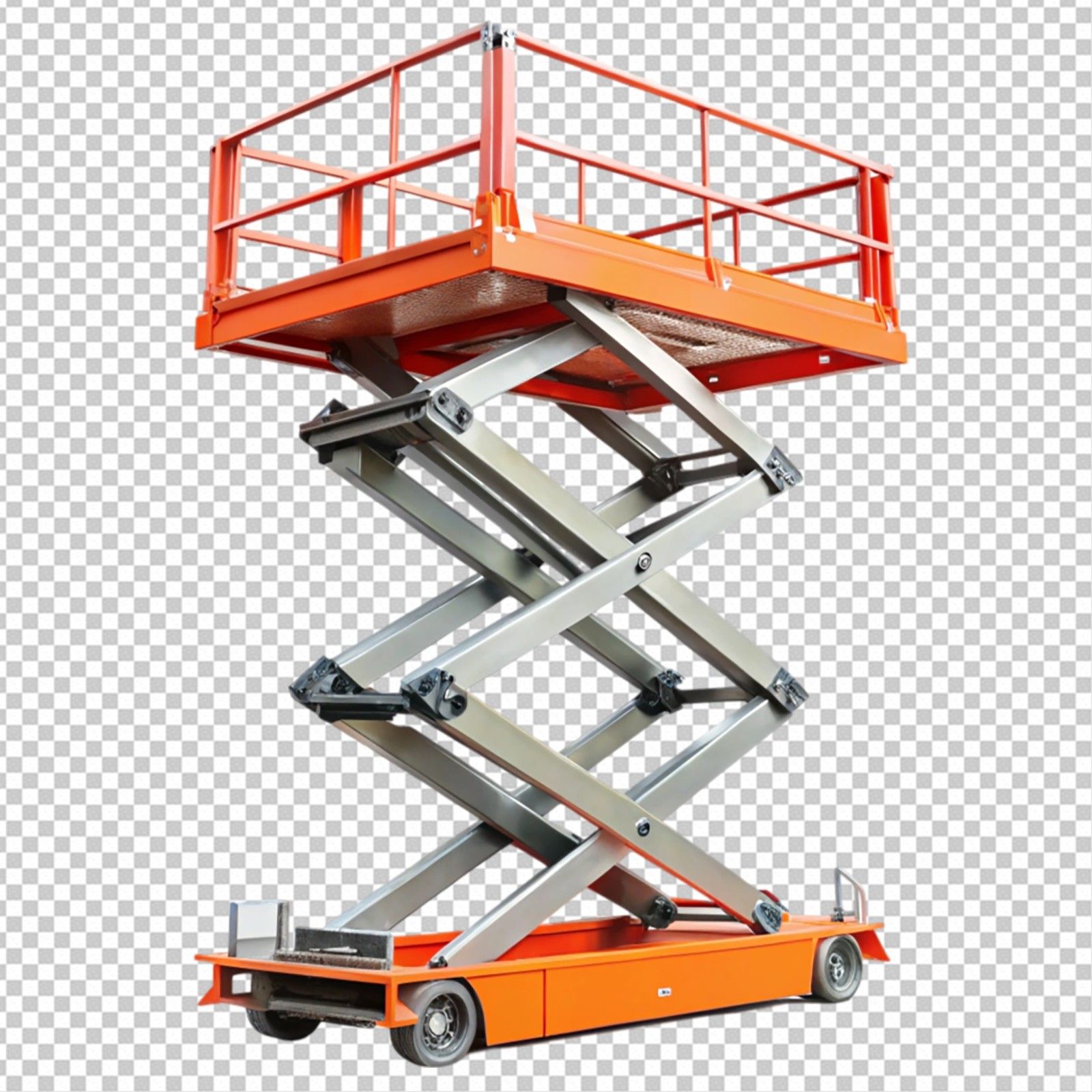
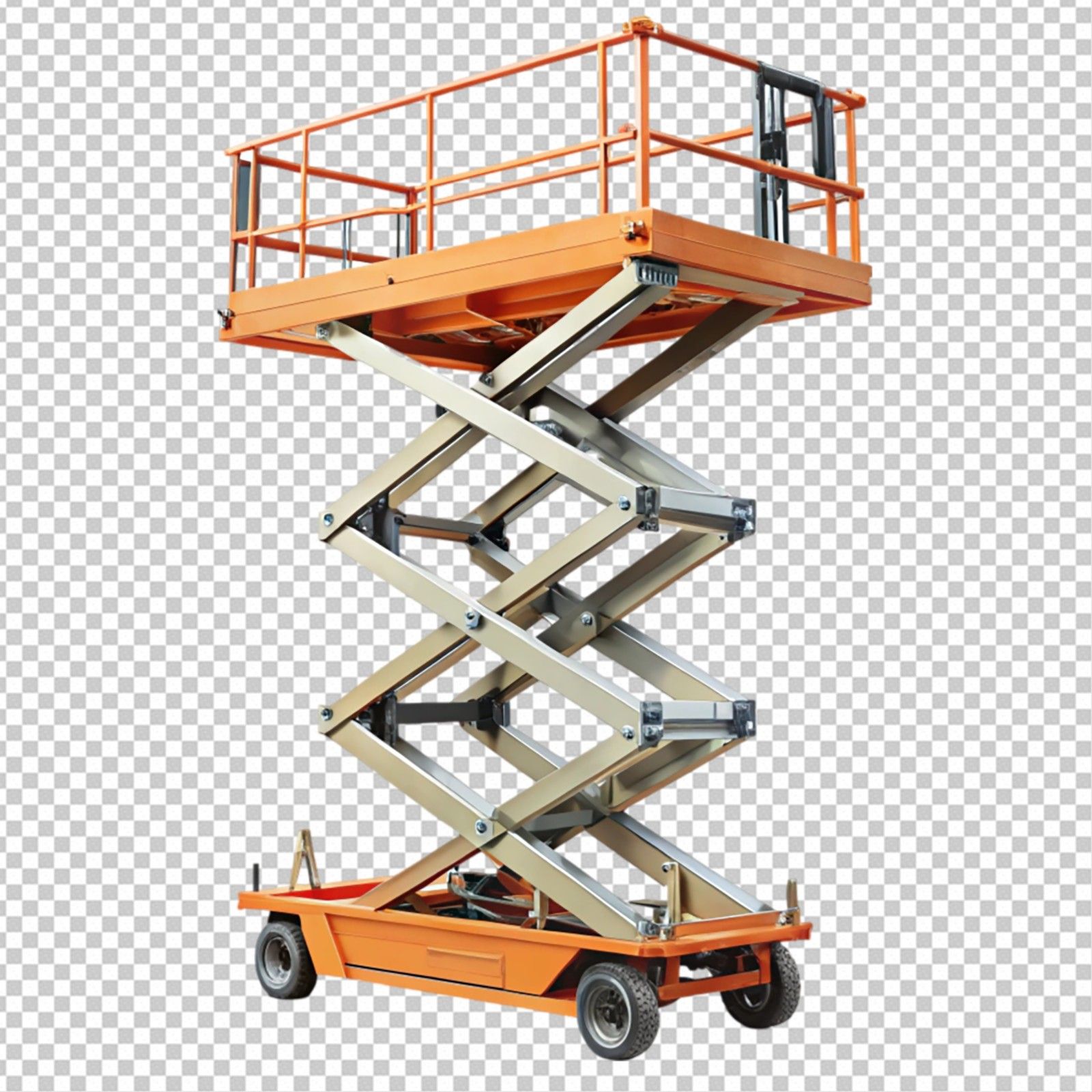
A scissor lift is a type of mechanical platform designed to move vertically, using a crisscrossing (scissor-like) mechanism that extends and retracts. This design provides a stable and secure lifting solution for workers and materials.
Unlike boom lifts that extend outward, a scissor lift moves strictly up and down, making it ideal for tasks that require vertical reach. It is widely used in applications such as electrical installations, ceiling repairs, inventory management, and construction work.
The simplicity of its design, combined with strong load-bearing capacity, makes the scissor lift one of the most practical tools for working at height.
Key Benefits of Using a Scissor Lift
Businesses across different sectors prefer scissor lifts because of their numerous advantages:
- Enhanced Stability: The wide platform and sturdy lifting mechanism provide better balance compared to ladders.
- Improved Safety: Built-in guardrails and safety features help reduce workplace accidents.
- Higher Productivity: Workers can carry tools and materials along with them, minimizing downtime.
- Versatility: Suitable for both indoor and outdoor applications depending on the model.
- Ease of Operation: User-friendly controls allow operators to quickly adapt and work efficiently.
These benefits make scissor lifts a valuable investment for companies aiming to streamline operations while maintaining safety standards.
Scissor Lift Types
Understanding different scissor lift types is essential before making a purchase. Each type is designed for specific environments and tasks:
Electric Scissor Lifts: Electric models are ideal for indoor use. They operate quietly and produce zero emissions, making them suitable for warehouses, shopping malls, and office buildings.
Diesel Scissor Lifts: These are designed for outdoor use and rough terrains. Diesel-powered lifts provide higher power and are capable of handling uneven surfaces commonly found on construction sites.
Hydraulic Scissor Lifts: Hydraulic systems use fluid pressure to raise and lower the platform. They are known for smooth operation and reliability in industrial settings.
Portable Scissor Lift: A portable scissor lift is compact and easy to move, making it perfect for smaller jobs or locations with limited space. These are often used for maintenance and quick repair tasks.
Heavy-Duty and Large Models: For large-scale industrial applications, heavy-duty options are available, including the largest scissor lift models that can reach significant heights and carry substantial loads.
Choosing the right type depends on your work environment, height requirements, and load capacity needs.
Factors to Consider Before You Buy Scissors Lift
Before you decide to buy scissors lift, several important factors should be evaluated:
Working Height: Determine the maximum height required for your tasks. Always choose a lift that exceeds your working height slightly for added flexibility.
Load Capacity: Consider how many workers and how much equipment the platform needs to support. Overloading can compromise safety and performance.
Indoor vs Outdoor Use: Electric lifts are better suited for indoor environments, while diesel models are more appropriate for outdoor projects.
Platform Size: A larger platform allows more space for workers and tools, which can improve efficiency during operations.
Mobility: If you need to move the lift frequently, consider models with wheels or compact designs for easier transportation.
Safety Features: Look for features such as guardrails, emergency stop buttons, and automatic braking systems to ensure safe operation.
Taking the time to assess these factors will help you choose equipment that aligns with your operational requirements.
Applications of Scissor Lifts Across Industries
Scissor lifts are widely used across multiple industries due to their flexibility and efficiency:
Construction and Renovation: Workers use scissor lifts for tasks like painting, plastering, and installing fixtures at height.
Warehousing and Logistics: They assist in inventory management, allowing workers to access high shelves safely.
Facility Maintenance: Maintenance teams rely on lifts for repairing lighting systems, HVAC units, and ceilings.
Retail and Commercial Spaces: In shopping malls and large stores, scissor lifts are used for signage installation and maintenance work.
Industrial Operations: Factories use scissor lifts for equipment maintenance and assembly line tasks.
Their adaptability makes them a must-have tool in both small-scale and large-scale operations.
Scissor Lift Singapore Market Overview
The demand for scissor lift Singapore solutions has grown steadily due to rapid urban development and industrial expansion. Businesses are increasingly investing in advanced lifting equipment to meet safety regulations and improve efficiency.
The market offers a wide variety of models, ranging from compact indoor lifts to heavy-duty outdoor machines. With numerous suppliers available, it is important to evaluate options carefully and choose reliable scissor lift manufacturers who provide quality equipment and dependable support.
Choosing the Right Scissor Lift Manufacturer
Selecting the right manufacturer plays a crucial role in ensuring long-term performance and reliability. Here are some key aspects to consider:
- Product Range: A manufacturer offering multiple models gives you more flexibility in choosing the right equipment.
- Customization Options: Some projects may require tailored solutions to meet specific needs.
- Quality Standards: Ensure the equipment meets industry safety and performance standards.
- After-Sales Support: Reliable maintenance and service can extend the lifespan of your equipment.
- Reputation: Look for manufacturers with proven experience and positive customer feedback.
Safety Tips When Using a Scissor Lift
While scissor lifts are designed for safety, proper usage is essential to avoid accidents:
- Always operate on stable and level ground
- Never exceed the recommended load capacity
- Use safety harnesses where required
- Inspect the equipment before use
- Ensure operators are properly trained
Following these guidelines helps maintain a safe working environment and reduces the risk of incidents.
Investing in the right lifting equipment is essential for businesses that regularly perform tasks at height. A scissor lift not only improves efficiency but also enhances safety, making it a valuable addition to any operation. By understanding the different types, applications, and buying considerations, you can make a well-informed decision when planning to buy scissors lift equipment.
Choosing the right supplier is equally important. Providers like Scissors Lift offer a wide range of solutions designed to meet diverse industry needs, from compact indoor models to heavy-duty outdoor systems. With access to quality equipment and reliable support through platforms such as, businesses can confidently invest in lifting solutions that deliver long-term performance and safety.